การนำมาประยุกต์ใช้งาน


คำแนะนำยอดนิยม
คู่มือความเป็นเลิศในการวิเคราะห์อาหารฉบับสมบูรณ์
คู่มือนี้นำเสนอใจความสำคัญที่ครอบคลุมเกี่ยวกับวิธีการใช้ NIR และวิธีอ้างอิงในทุกขั้นตอนของห่วงโซ่การแปรรูปอาหาร เช่น การสกัดไขมันและวิธีเจลดาห์ลสำหรับการตรวจวิเคราะห์โปรตีน ดูภาพรวมโดยละเอียดของเทคนิค รวมถึงการเตรียมตัวอย่างตัวอย่าง มาตรการด้านกฎระเบียบ การแก้ไขปัญหา คำถามที่พบบ่อย และการศึกษาในกรณีตัวอย่างเฉพาะ

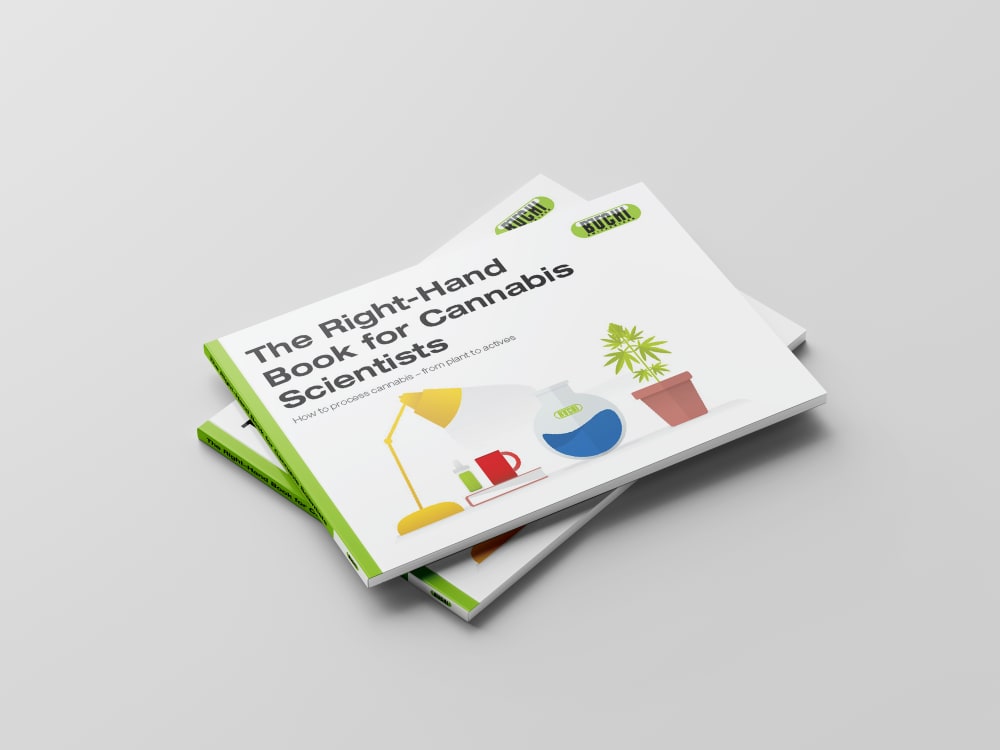
หนังสือคู่มือสำหรับนักวิทยาศาสตร์กัญชา
ใช้จุลสารเกี่ยวกับวิทยาศาสตร์กัญชาเพื่อเรียนรู้เกี่ยวกับการเก็บเกี่ยวและการสกัดแคนนาบินอยด์ (THC, CBD) และเทอร์ปีนอยส์ การทำให้สารออกฤทธิ์เข้มข้น การรีไซเคิลตัวทำละลาย การทำให้สารแคนนาบินอยด์บริสุทธิ์ และการขจัดสารกำจัดศัตรูพืช
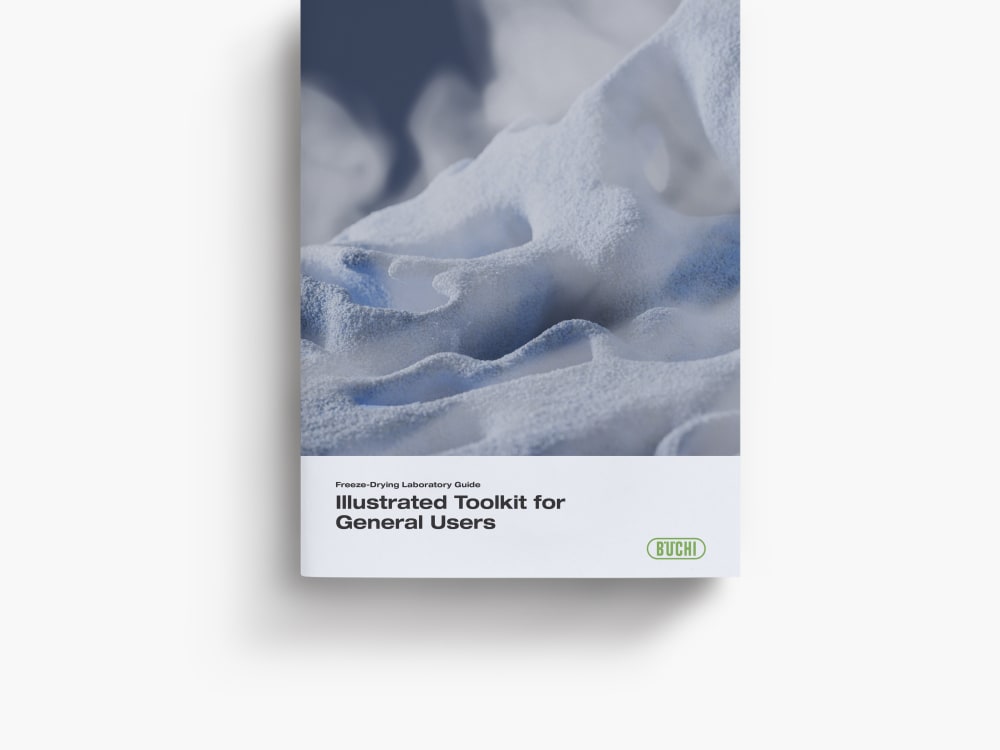
ที่ปรึกษาการทำแห้งแบบแช่เยือกแข็ง เล่ม 2: ชุดเครื่องมือแบบมีภาพประกอบสำหรับผู้ใช้ทั่วไป
คู่มือนี้ให้ความรู้เกี่ยวกับฮาร์ดแวร์ กระบวนการทำแห้งแบบแช่เยือกแข็ง ภาพรวมของพารามิเตอร์ที่สำคัญที่สุด และขั้นตอนในการเตรียมตัวอย่าง
นิตยสาร Cosmetics Lab เล่ม 1
ในนิตยสาร “COSMETICS LAB” ฉบับที่ 1 คุณจะได้อ่านข้อมูลเกี่ยวกับแนวโน้มล่าสุดในการพัฒนาเครื่องสำอาง ขั้นตอนการทำงานสำหรับการวิจัยและพัฒนาเครื่องสำอางและการควบคุมคุณภาพ ส่วนผสมที่ใช้ในการพัฒนาเครื่องสำอางจากธรรมชาติ และเทคนิคในห้องปฏิบัติการทั่วไปที่ใช้สำหรับนวัตกรรมเครื่องสำอาง

นิตยสาร Cosmetics Lab เล่ม 2
ในนิตยสาร “COSMETICS LAB” ฉบับที่ 2 คุณจะได้รับข้อมูลที่เป็นประโยชน์เกี่ยวกับวิธีเปลี่ยนวัตถุดิบจากธรรมชาติให้กลายเป็นสารออกฤทธิ์ รับประโยชน์จากข้อมูลที่เป็นประโยชน์เกี่ยวกับเทคนิคที่ใช้ในขั้นตอนการพัฒนาเครื่องสำอางทุกขั้นตอน เรียนรู้วิธีการสกัดและคัดกรองสารออกฤทธิ์และวิธีใช้โครมาโทกราฟีเพื่อทำให้วัตถุดิบบริสุทธิ์ รวมทั้งข้อเท็จจริงสนุก ๆ การทำนายดวง แบบทดสอบ และบทสัมภาษณ์พิเศษในหัวข้อการต่อสู้กับข้อมูลที่ผิดในอุตสาหกรรมเครื่องสำอาง

นิตยสาร Cosmetics Lab เล่ม 3
ในนิตยสาร “COSMETICS LAB” ฉบับที่ 3 คุณสามารถค้นหาทุกสิ่งที่คุณจำเป็นต้องรู้เกี่ยวกับการแต่งหน้า ปรับปรุงความชำนาญในการกำหนดสูตรของคุณด้วยการรับข้อมูลเชิงลึกเกี่ยวกับไมโครเอนแคปซูเลชันและการทำแห้งแบบพ่นฝอย นอกจากนี้ยังได้อ่านเคล็ดลับการกำหนดสูตรเครื่องสำอาง สูตรอาหาร แบบทดสอบ การทำนายดวง และบทสัมภาษณ์พิเศษกับผู้เชี่ยวชาญด้านไมโครเอนแคปซูเลชัน

นิตยสาร Cosmetics Lab เล่ม 4
ใน “COSMETICS LAB” ฉบับที่ 4 คุณจะได้รับความรู้เกี่ยวกับเทคนิคที่ทันสมัยและเป็นที่ยอมรับซึ่งใช้สำหรับการควบคุมคุณภาพในอุตสาหกรรมเครื่องสำอาง เรียนรู้วิธีแสดงให้เห็นถึงความปลอดภัยและประสิทธิภาพของผลิตภัณฑ์อย่างน่าเชื่อถือโดยการปรับกระบวนการ QC ให้เหมาะสม หัวข้อเฉพาะ ได้แก่ การเตรียมตัวอย่างสีเขียวโดยใช้การสกัดด้วยของเหลวความดันสูง (PLE) ประโยชน์และข้อจำกัดของเครื่องตรวจจับโครมาโทกราฟีที่ใช้ใน QC ความสำคัญของการวิเคราะห์จุลธาตุโลหะ วิธีการที่ NIR เร่งกระบวนการ QC และอื่น ๆ

โครมาพีเดีย: คู่มือฉบับสมบูรณ์
โครมาพีเดียฉบับสมบูรณ์นำเสนอความรู้ที่จำเป็นสำหรับการพัฒนาและดำเนินการวิธีแฟลชโครมาโทกราฟีและ Prep HPLC ที่เหมาะสมที่สุด อาศัยทฤษฎีที่สั้นกระชับและคำอธิบายที่ชัดเจนของกระบวนการโครมาโตกราฟีในทุกส่วน ใช้ข้อมูลเบื้องต้นเกี่ยวกับโครมาโตกราฟีเพื่อพัฒนาวิธีการของคุณเองด้วยวัสดุสิ้นเปลือง วิธีการตรวจจับเฟสหยุดนิ่งและเฟสเคลื่อนที่ที่เหมาะกับการใช้งานของคุณ
โปสเตอร์ – นี่คือช่วงเวลาของการระเหยสาร!
ดาวน์โหลดโปสเตอร์ฟรี – "นี่คือช่วงของการแยกสาร!"
เช็คระบบการแยกสารกับเรา
แอพพริเคชันโน๊ตยอดนิยม
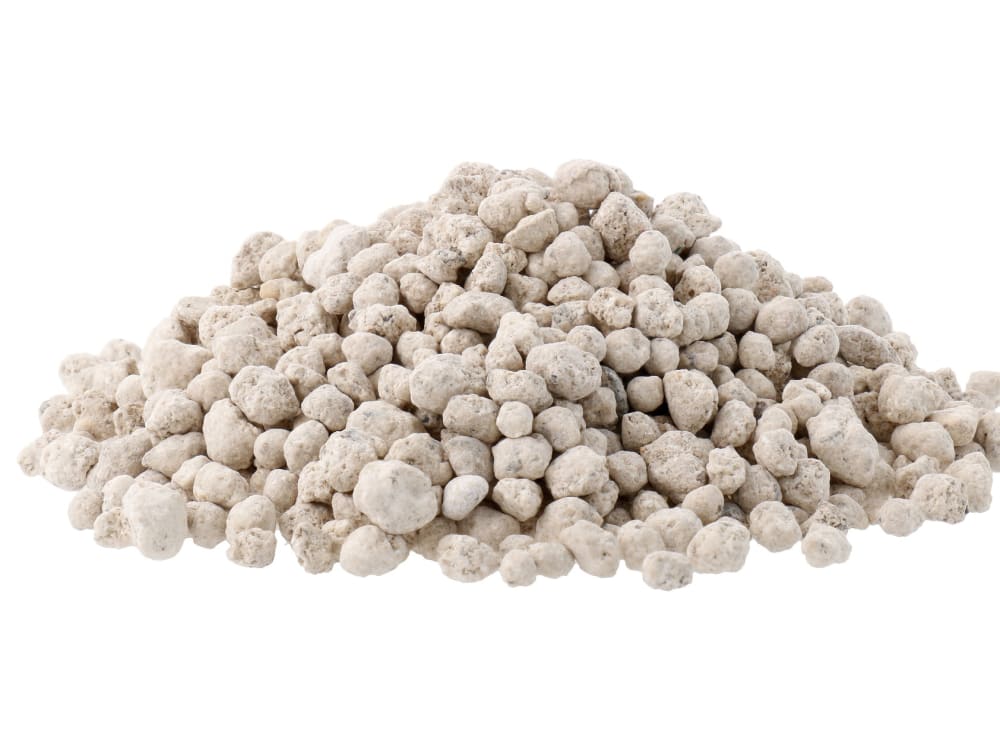
Nitrogen Determination in Nitrate Containing Fertilizers
Nitrogen Determination in Nitrate Containing Fertilizers according to AOAC 955.04-D (Kjeldahl Method) – Block Digestion
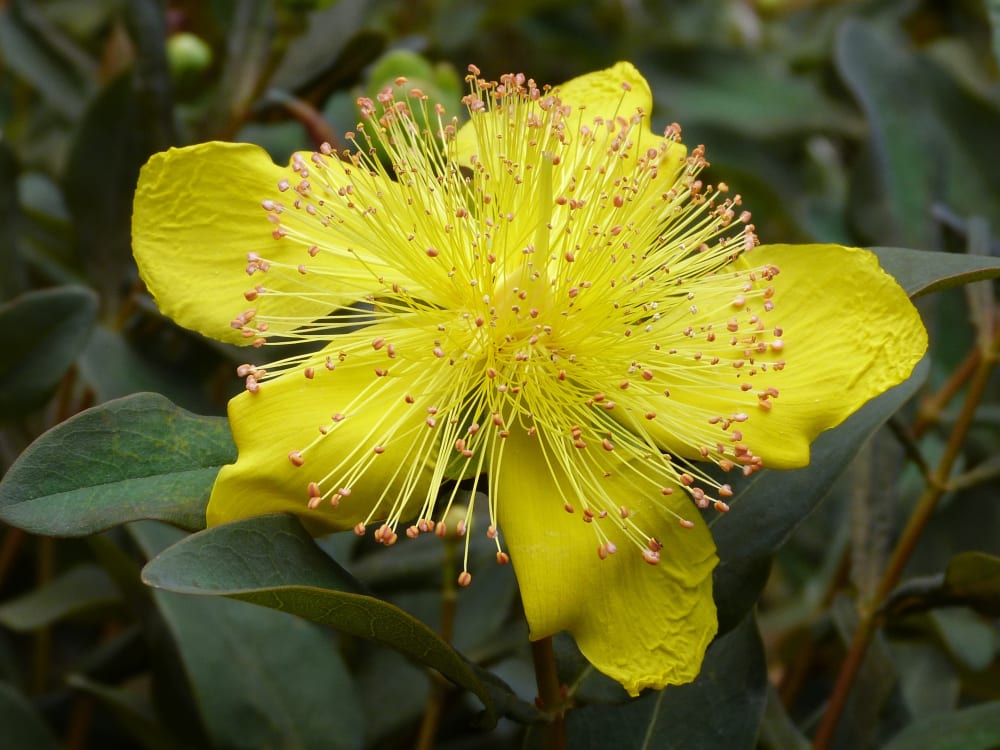
Pre-Extraction and Extraction of Hypericin in St. John's Wort (Hypericum perforatum) using the SpeedExtractor E-916
SpeedExtractor E-916: Pre-Extraction and Extraction of Hypericin in St. John's Wort (Hypericum perforatum) using the SpeedExtractor E-916
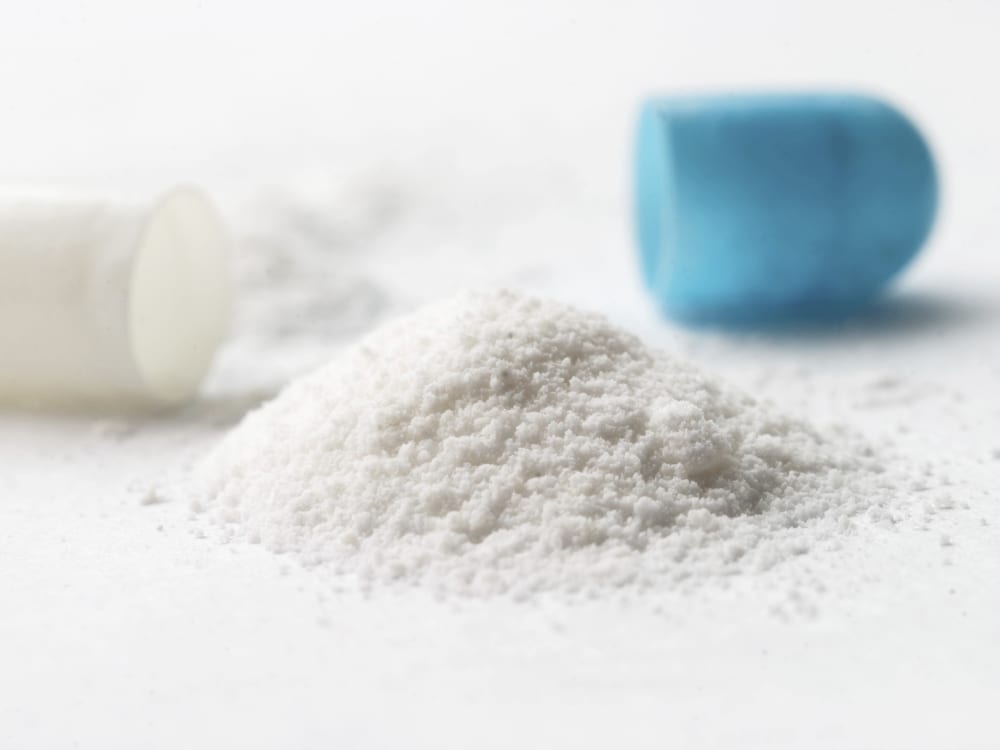
PLGA sub-micron particles by Nano Spray Drying
Nano-spray drying for drug delivery of smallest particles
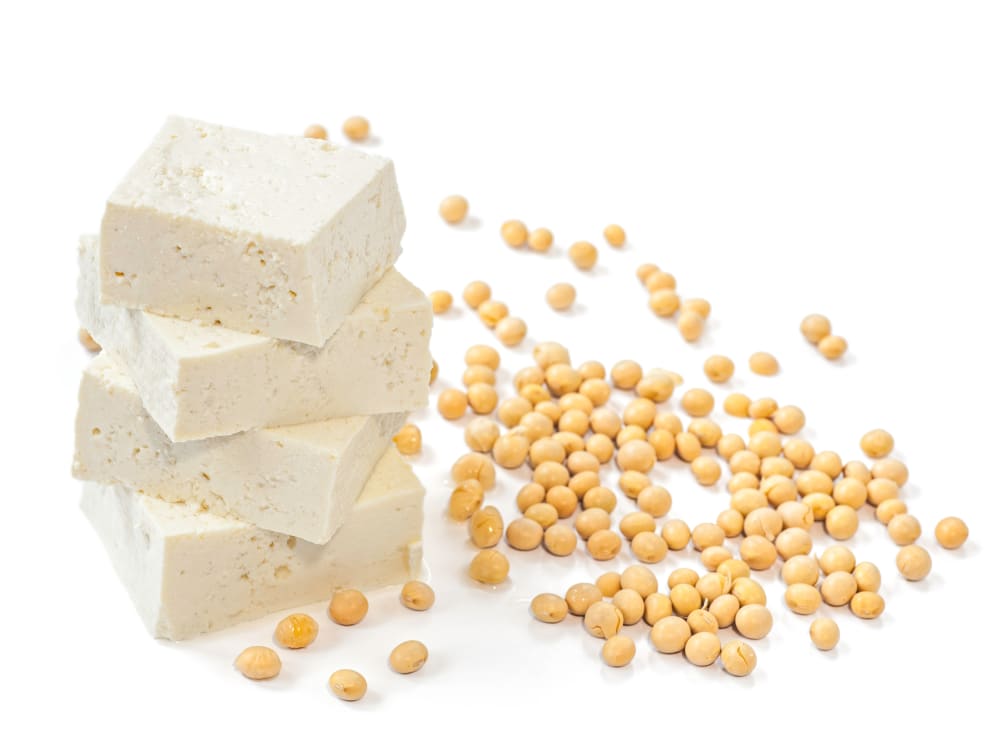
Nitrogen and protein determination in tofu
Nitrogen and protein determination in tofu according to the Kjeldal method (back titration)