Rotovap Cocktails: Mixology Meets Science
Capture intense aromas with a rotary evaporator
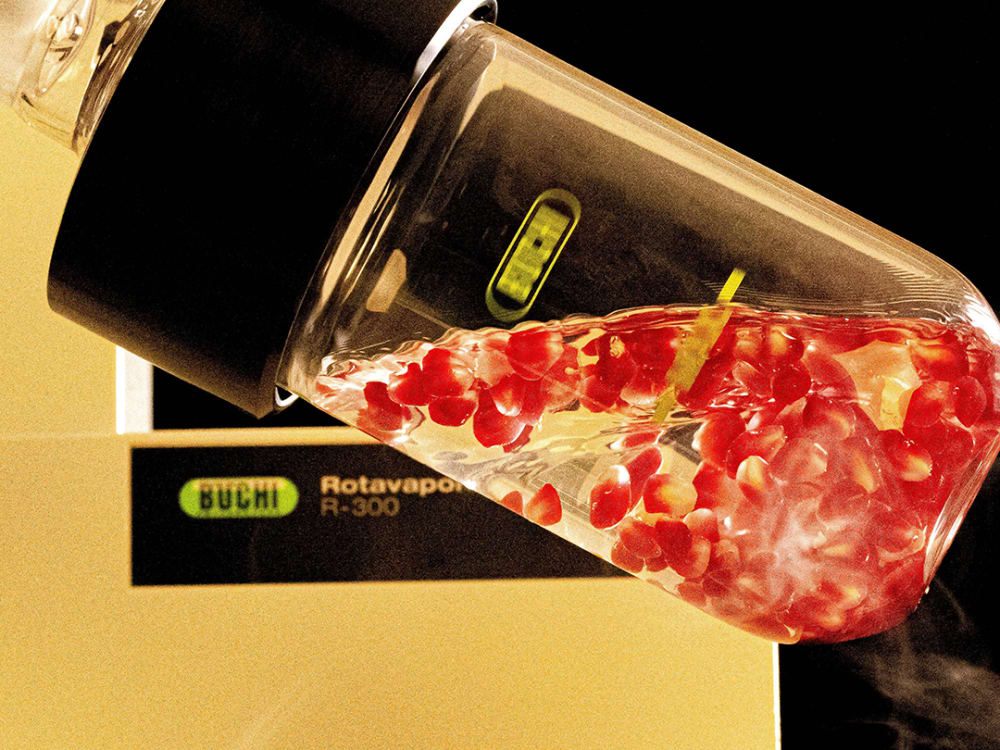
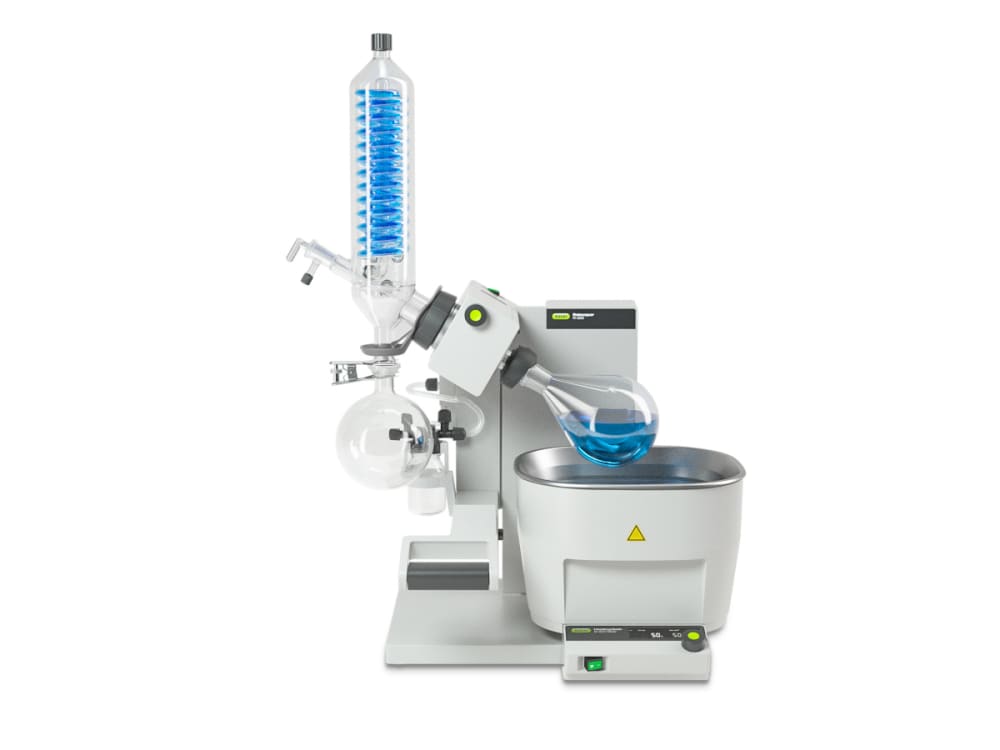
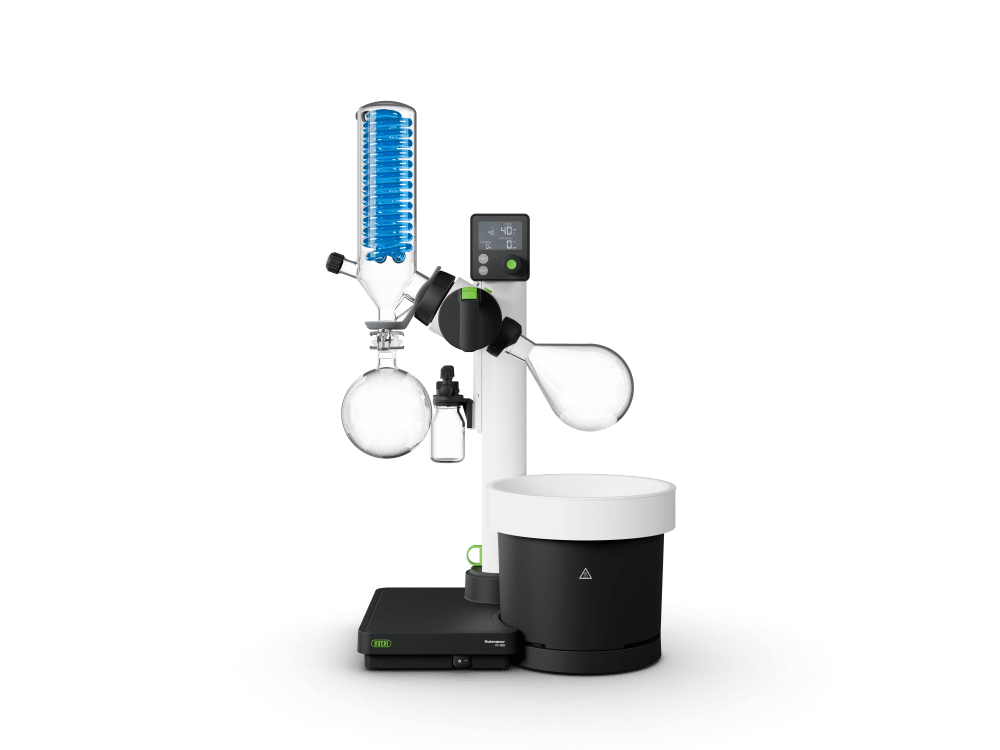
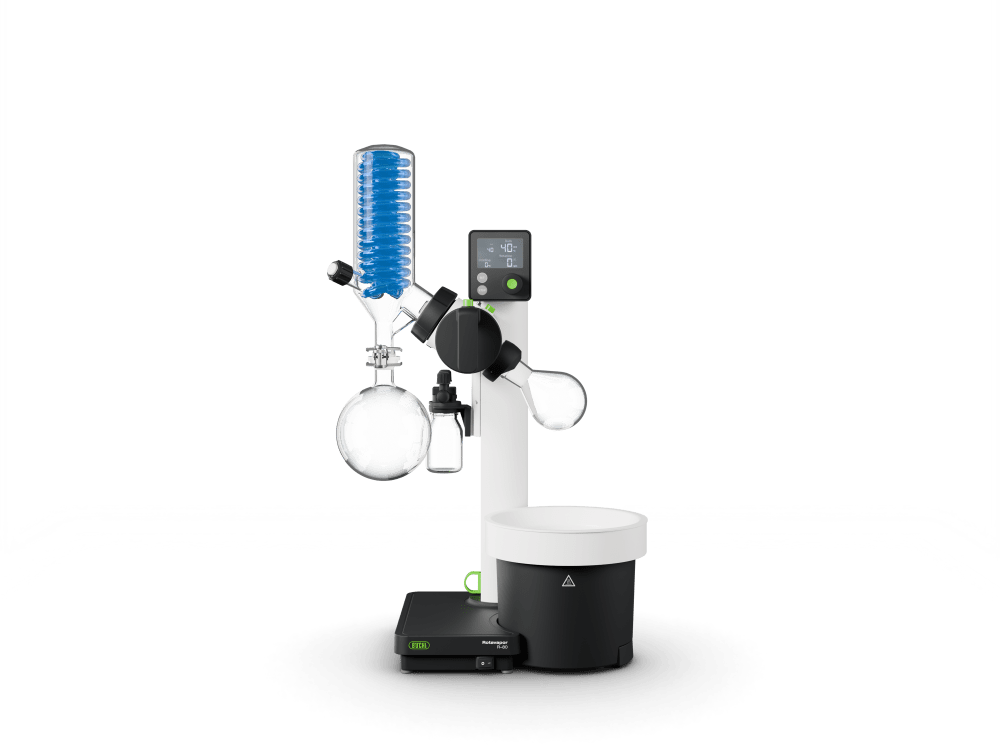
Spotted a rotary evaporator behind the bar? Top cocktail bars use it to concentrate flavors and capture delicate aromas that heat would destroy. Distilling under vacuum keeps temperatures low, so fragile ingredients stay fresh, vivid and true to the original.
Rotavapor: the flavor-catcher on your countertop
Mixology
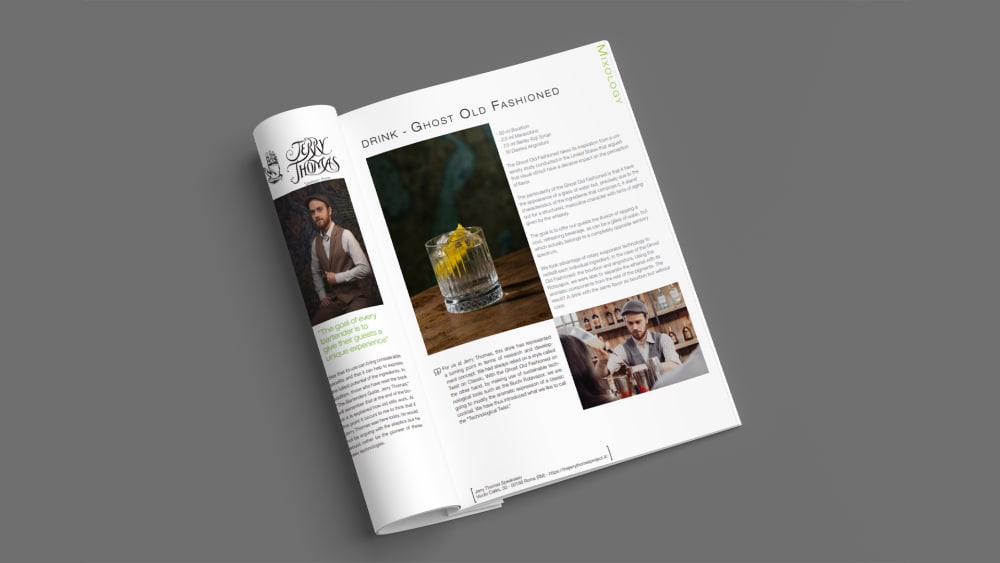
A rotary evaporator in your bar turns you into a cocktail wizard. A crystal-clear liquid with the pleasant taste of coffee? A smokey taste without the burning hotness of chilies? The flavor world is your oyster!

Restaurant
Your kitchen is the perfect playground to combine tradition, chemistry, and innovation into the pot and see what cooks up out of the mix. Play, taste, improve, and try again. There are many paths to try and flavor profiles to discover.
Distillery
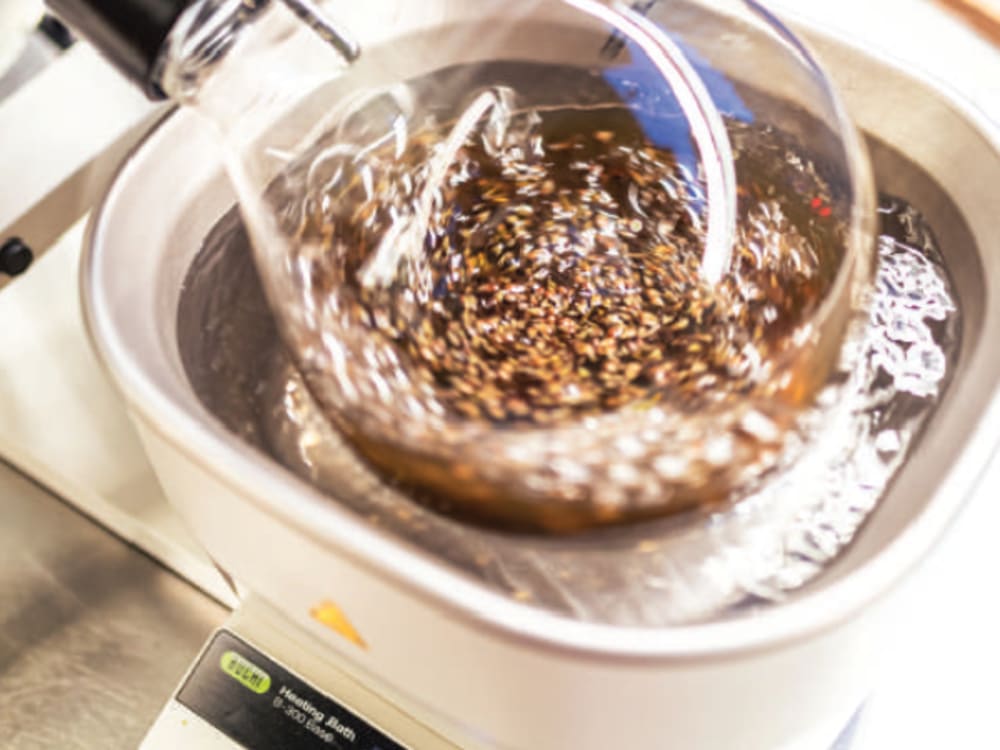
Distillation is a science. But what is science without imagination? We give you the tools to unleash your spirit into your spirits. Distill the essence of ants into gin? It’s been done, but you can beat that. Just dream it up and rotary evaporate it.

Which one will you choose?

Meet the people creating with the Rotavapor®
Takafumi Makita
Kyoto-born bartender and founder of two science-inspired cocktail bars in Taipei and Kyoto, both recognized by Asia’s 50 Best Bars.

Anne-Sophie Pic
Anne-Sophie Pic is a French chef and the fourth female to win three Michelin stars.

Remy Savage
Remy Savage is a world-award-winning mixologist, bar owner, and creative director.

Purchasing a rotary evaporator?
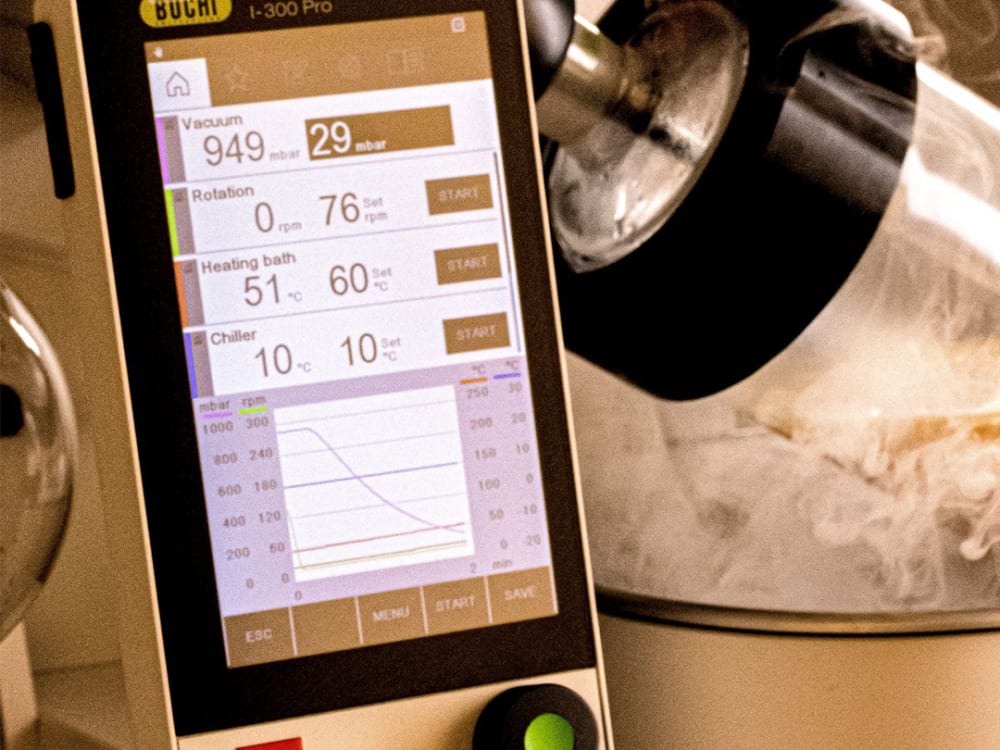
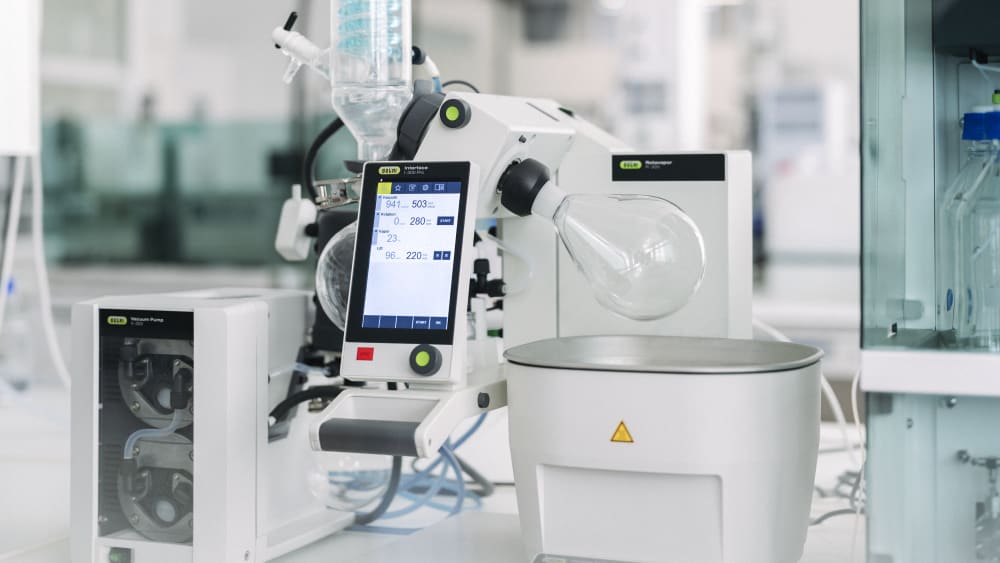
Interface I-300 / I-300 Pro
A digital interface can not only help you find the optimal conditions for your mixology applications but also simplify your system operations.
Laboratory Evaporation Glassware
By investing in plastic-coated glassware, including the condenser and the receiving flask, you can avoid glass pieces in your workspace in case of breakage.
Beaker Flask
Using a beaker flask with a large opening and a large capacity can substantially ease your work.