Методики


Популярные руководства
Полное руководство по анализу продуктов питания
Это руководство содержит исчерпывающий обзор использования БИК-спектроскопии и других эталонных методов, например аппаратов для экстракции жира и аппаратов Кьельдаля для определения содержания белка, на всех этапах производства продуктов питания. Получите подробный обзор методов, включая правила подготовки образцов, инструкции по регулировке параметров, устранению неисправностей, ответы на часто задаваемые вопросы и результаты исследований по конкретным областям применения.
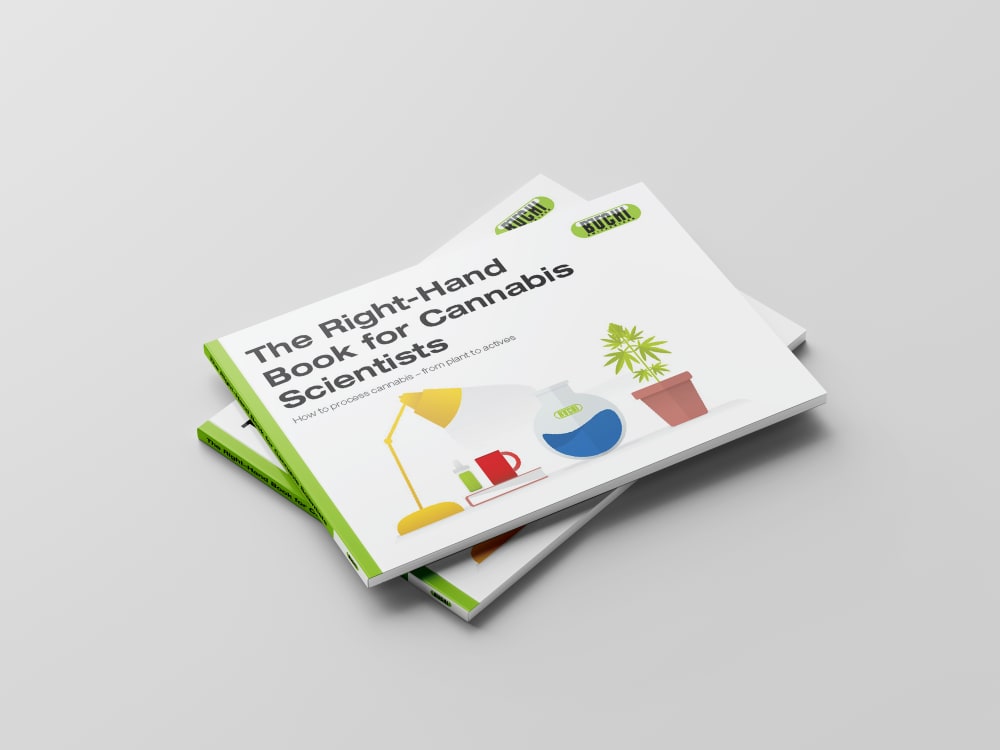
Все, что надо знать профессионалам о каннабисе
Используйте информационную брошюру для получения информации о сборе и экстракции образцов каннабиноидов (THC=тетрагидроканнабинол, CBD=каннабидиол) и терпеноидов, концентрировании активных веществ, восстановлении растворителей, очистке каннабиноидов и удалении пестицидов
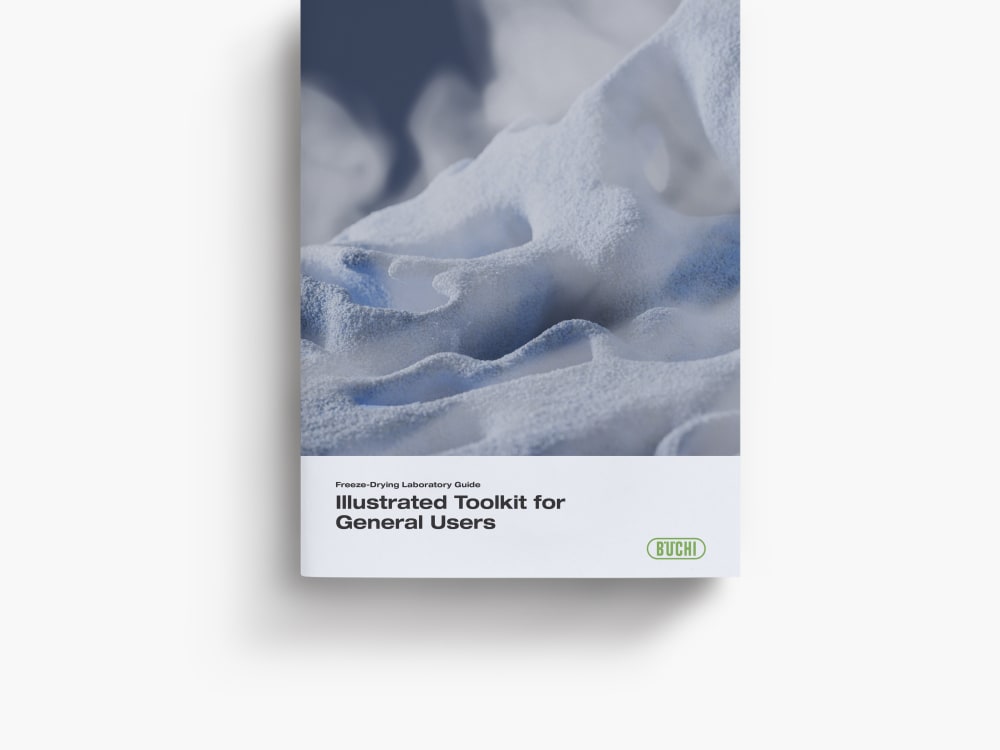
Справочное руководство по лиофильной сушке, том 2: Иллюстрированный документ для пользователей с базовым уровнем знаний
В этом руководстве представлены сведения об оборудовании, процессе лиофильной сушки, обзор наиболее важных параметров и этапов подготовки образцов.
Первый выпуск журнала COSMETICS LAB
В первом выпуске COSMETICS LAB читайте о последних тенденциях в разработке косметических средств, технологическом процессе в ходе исследования и разработки косметики и контроля ее качества, ингредиентах, используемых при разработке натуральной косметики, и общих лабораторных методах, которые используются в инновационных процессах производства.

Второй выпуск журнала COSMETICS LAB
Во втором выпуске журнала COSMETICS LAB вас ждет полезная информация об извлечении активных компонентов из натурального сырья. Воспользуйтесь актуальными данными о методах, которые применяются на всех этапах разработки косметических средств. Узнайте, как выполнять экстракцию активных компонентов и скрининг их активности, а также как использовать хроматографию для очистки сырья. В новом журнале вы также найдете забавные факты, гороскопы, викторины и эксклюзивное интервью на тему борьбы с дезинформацией в косметической индустрии.

Третий выпуск журнала COSMETICS LAB
В третьем выпуске журнала COSMETICS LAB вы найдете все, что вам надо знать о создании декоративной косметики. Повысьте свои знания о рецептурных формулах, получив актуальную информацию о микрокапсулировании и распылительной сушке. Здесь вы найдете советы по составу косметики, рецепты, викторины, гороскопы и эксклюзивное интервью со специалистом по микрокапсулированию.

Четвертый выпуск журнала COSMETICS LAB
Из четвертого выпуска журнала COSMETICS LAB вы узнаете о современных и апробированных методах, используемых для контроля качества в косметической промышленности. Узнайте, как убедительно продемонстрировать безопасность и производительность продукта, оптимизируя процессы контроля качества. В новом выпуске журнала поднимаются такие темы, как: подготовка образцов растительного сырья с использованием жидкостной экстракции под давлением (PLE), преимущества и ограничения хроматографических детекторов на этапе контроля качества, важность выполнения элементного анализа на следовые количества металлов, возможности БИК-спектроскопии по ускорению контроля качества и многое другое.
Энциклопедия хроматографии: полное руководство
Полная версия энциклопедии хроматографии содержит необходимые знания для разработки и проведения оптимальных анализов методами флэш-хроматографии и препаративной ВЭЖХ. Руководствуйтесь краткой теорией и понятными объяснениями всех этапов хроматографического процесса. Используйте основы хроматографии для разработки собственного метода с расходными материалами, методами обнаружения, стационарными и подвижными фазами, которые идеально подходят для вашей области применения.
Время разделять! – постер
Загрузите бесплатный постер сейчас – "Время разделять!"Получите советы о том, как улучшить процесс разделения!
Популярные методики
Nitrogen Determination in Nitrate Containing Fertilizers
Nitrogen Determination in Nitrate Containing Fertilizers according to AOAC 955.04-D (Kjeldahl Method) – Block Digestion
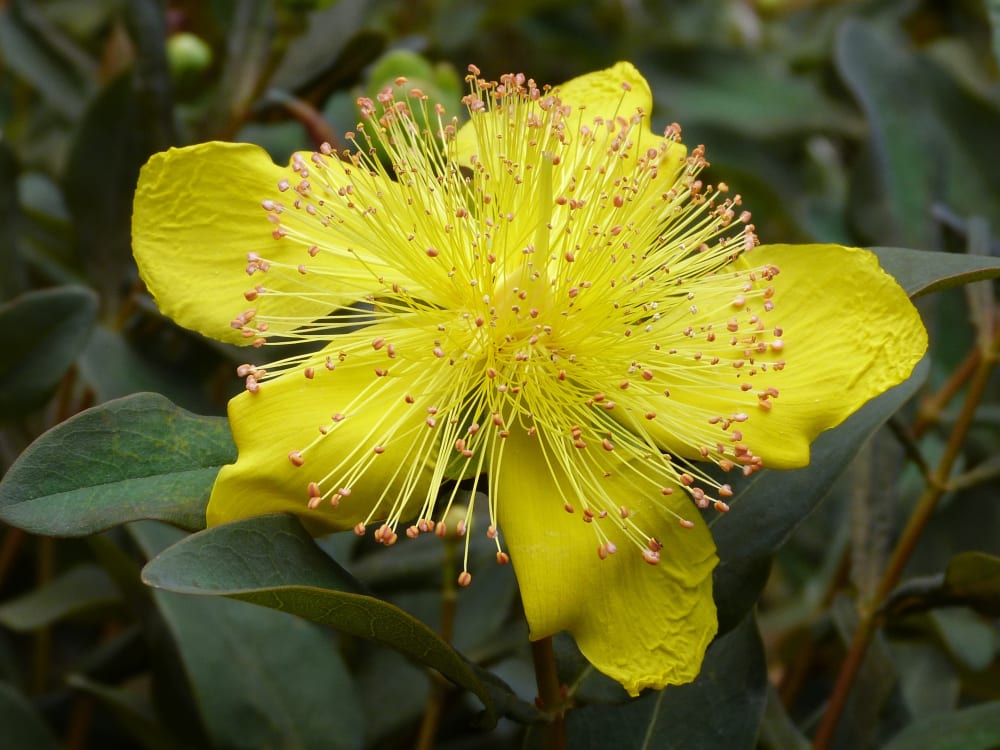
Pre-Extraction and Extraction of Hypericin in St. John's Wort (Hypericum perforatum) using the SpeedExtractor E-916
SpeedExtractor E-916: Pre-Extraction and Extraction of Hypericin in St. John's Wort (Hypericum perforatum) using the SpeedExtractor E-916
PLGA sub-micron particles by Nano Spray Drying
Nano-spray drying for drug delivery of smallest particles
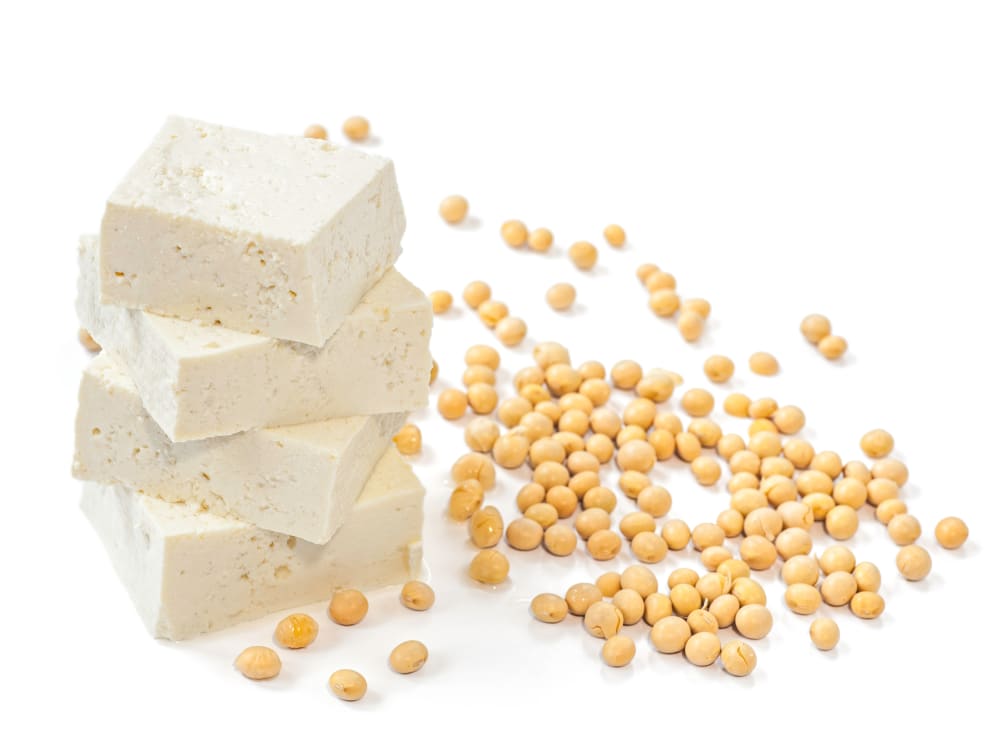
Nitrogen and protein determination in tofu
Nitrogen and protein determination in tofu according to the Kjeldal method (back titration)