アプリケーション


人気のあるガイド
食品分析チャンピオンガイドブック完全版
このガイドブックでは、脂質抽出、蛋白質定量のケルダール法、NIR(近赤外分析)および参照法が食品分析のすべての工程の中でどのように使用されているか、包括的にまとめています。サンプル調製、規制対策、トラブルシューティング、FAQ、事例などの技術情報の概要を記載しています。

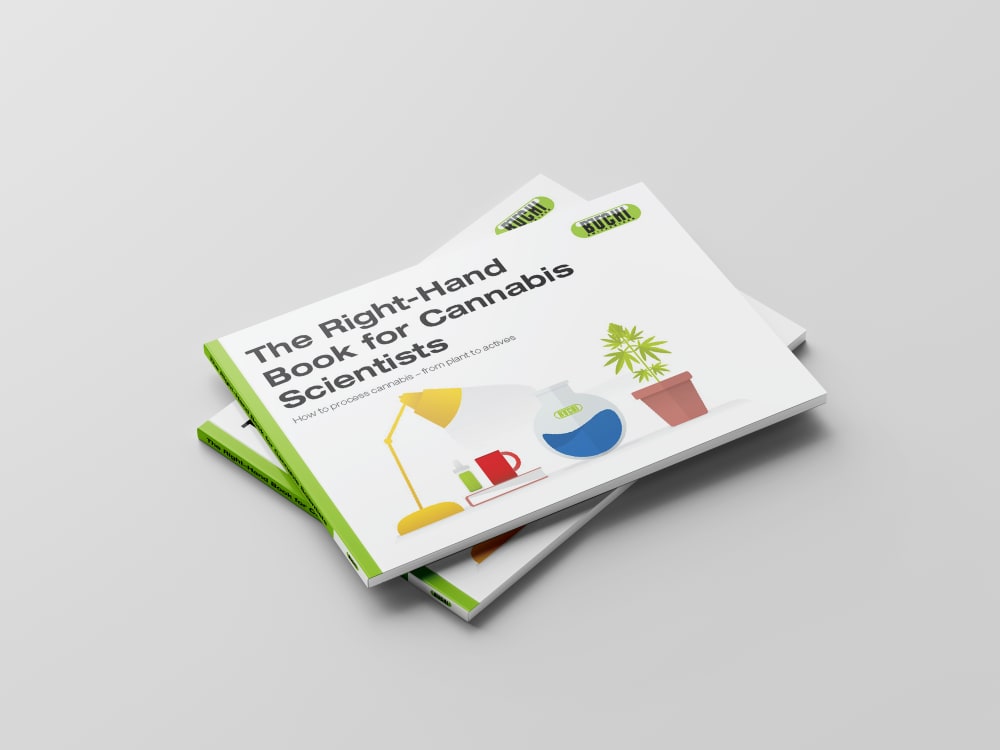
カンナビス科学者必携
カンナビス科学に関するこの小冊子には、カンナビノイド(THC、CBD)とテルペノイドの収穫と抽出、活性体の濃縮、溶媒のリサイクル、カンナビノイドの精製、農薬の除去について説明しています。
凍結乾燥ガイド Vol.2:一般ユーザー向け図解付きツールキット
このガイドでは、凍結乾燥におけるハードウェア、凍結乾燥のプロセス、サンプル調製における最も重要なパラメーターとステップの概要を説明しています。
COSMETICS LABマガジン Vol 1
「COSMETICS LAB」第1号では、化粧品開発の最新トレンド、化粧品の研究開発と品質管理のワークフロー、自然化粧品の開発で使用される成分、化粧品の技術革新のために使用される一般的なラボ技法を取り上げています。

COSMETICS LABマガジン Vol 2
「COSMETICS LAB」第2号では、天然原料を活性化合物に変える方法について、役立つ情報を取り上げています。化粧品開発のあらゆるステップで使用される技法について、有益な情報が得られます。活性成分の抽出と選別の方法や、クロマトグラフィーを使用して原料を精製する方法を知ることができます。また、雑学、星占い、クイズ、化粧品業界の誤った情報との戦いについての独占インタビューもあります。

COSMETICS LABマガジン Vol 3
「COSMETICS LAB」第3号では、メーキャップについて知っておくべきことが網羅されています。マイクロカプセル化とスプレードライに関する洞察に満ちた情報を配合技術の向上に役立ててください。また、化粧品の配合に関するヒント、レシピ、クイズ、星占い、マイクロカプセル化の専門家への独占インタビューもあります。

COSMETICS LABマガジン Vol 4
「COSMETICS LAB」第4号では、化粧品業界において品質管理に使用される最新技術と確立された技法を取り上げています。QCプロセスの最適化によって製品の安全性と性能を実証する説得力のある方法を確認できます。具体的な話題としては、加圧液体抽出(PLE)を使用したサンプル調製、QCで使用されるクロマトグラフィー検出器の利点と制約、微量金属元素分析の重要性、NIRによるQCプロセスの加速化などがあります。

クロマペディア:完全ガイド
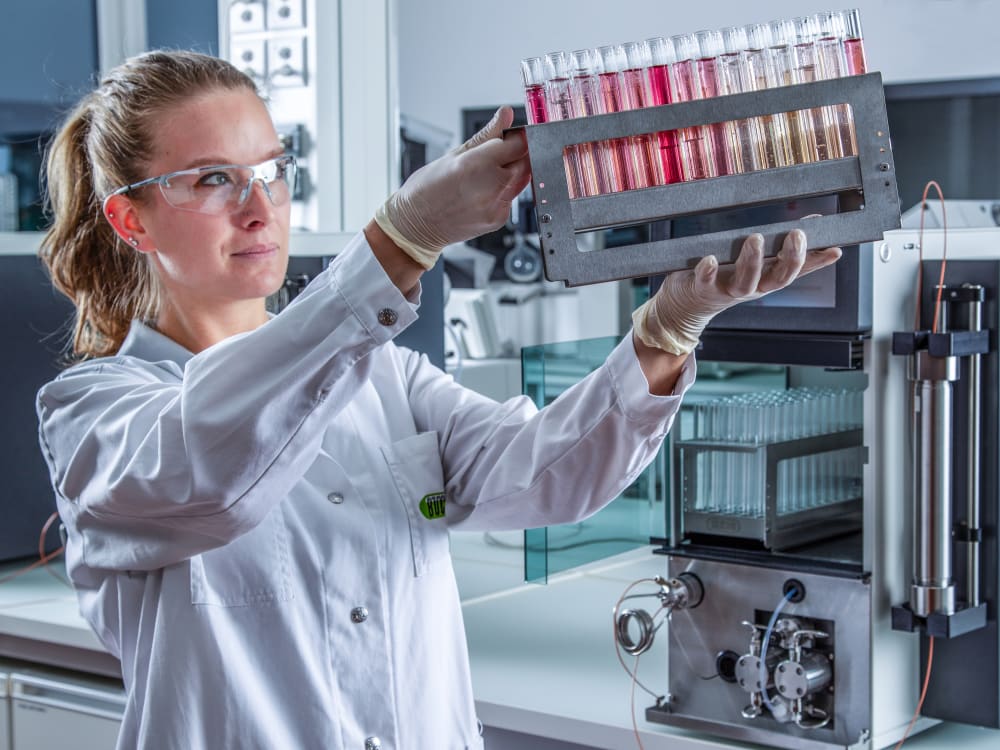
完全版クロマペディアでは、最適なフラッシュクロマトグラフィーおよび分取HPLC法の開発と実行のための基本的な知識が説明されています。クロマトグラフィープロセスのすべての部分について、簡潔な理論が明確に説明されています。それぞれのアプリケーションに最適な消耗品、検出方法、固定相および移動相を使用した独自のメソッド開発にクロマトグラフィーの基本をお役立てください。
ポスター「精製時間、短縮のヒント」
今すぐポスターをダウンロードしてください – "精製時間をもっと短時間で確実に!"
「精製時間を短縮し」、かつ「確実に」行うことができるヒントをご紹介
人気のあるアプリケーションノート
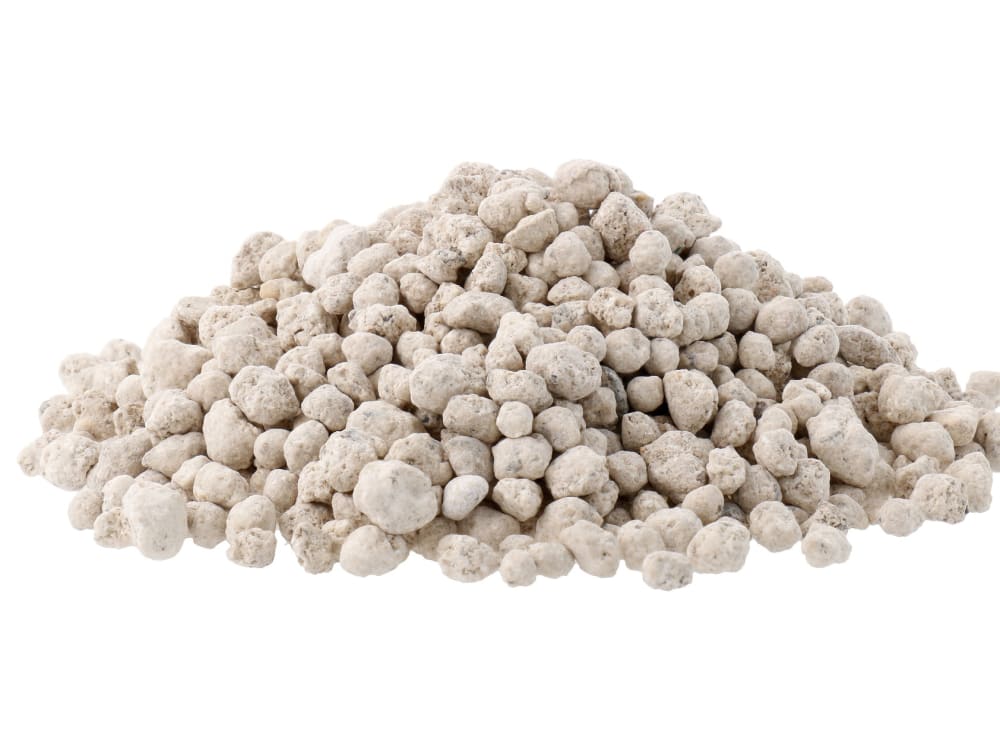
Nitrogen Determination in Nitrate Containing Fertilizers
Nitrogen Determination in Nitrate Containing Fertilizers according to AOAC 955.04-D (Kjeldahl Method) – Block Digestion
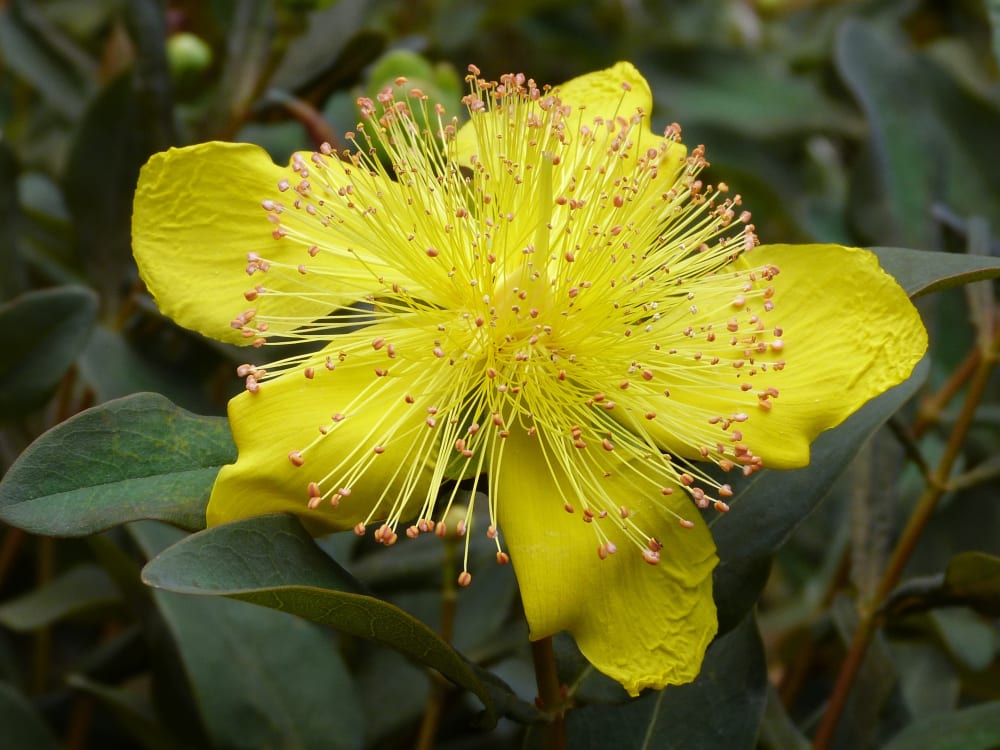
Pre-Extraction and Extraction of Hypericin in St. John's Wort (Hypericum perforatum) using the SpeedExtractor E-916
SpeedExtractor E-916: Pre-Extraction and Extraction of Hypericin in St. John's Wort (Hypericum perforatum) using the SpeedExtractor E-916
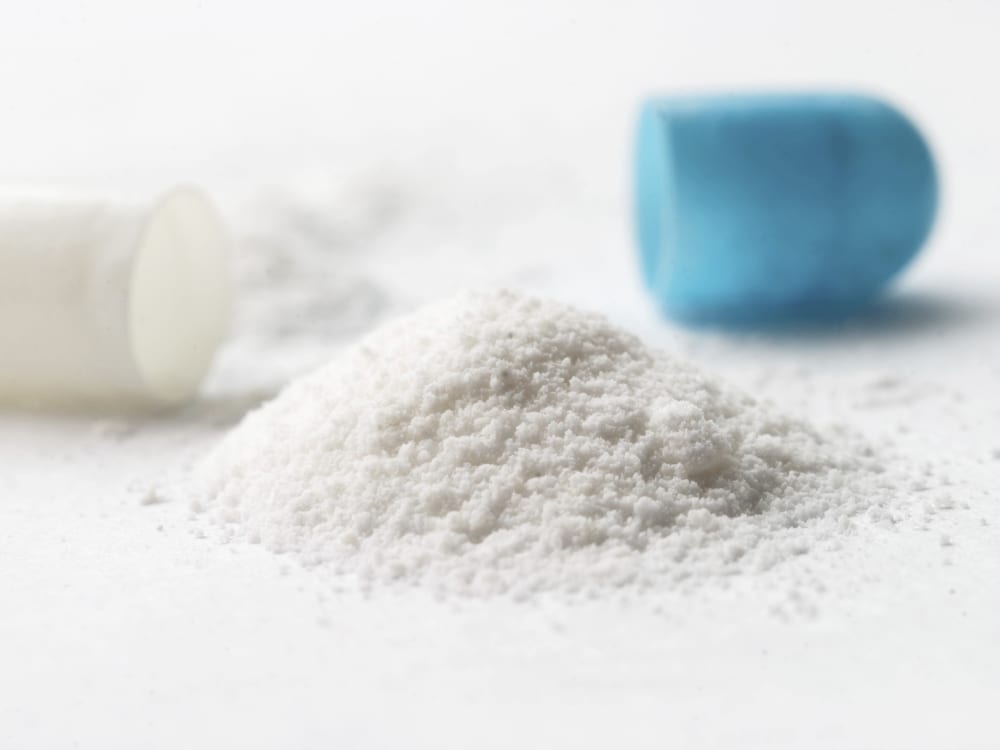
PLGA sub-micron particles by Nano Spray Drying
Nano-spray drying for drug delivery of smallest particles
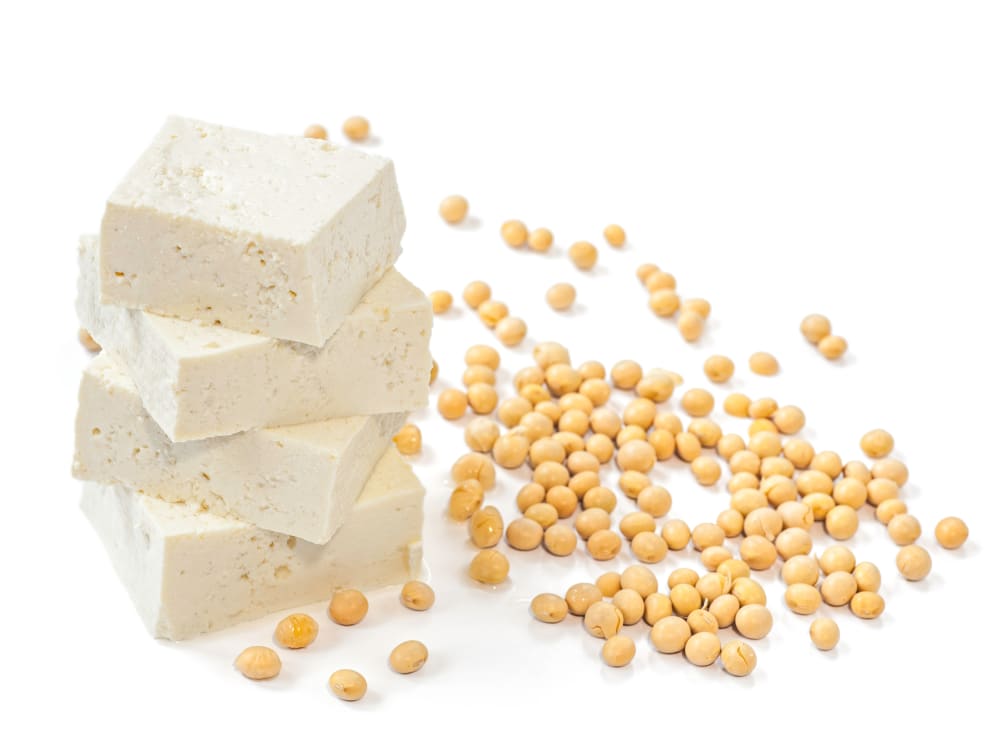
Nitrogen and protein determination in tofu
Nitrogen and protein determination in tofu according to the Kjeldal method (back titration)