Applicazioni


Guide più comuni
Guida completa per esperti di analisi degli alimenti
Questa guida offre un riepilogo completo del modo in cui i metodi NIR e di riferimento, come l’estrazione dei grassi e il metodo Kjeldahl per la determinazione delle proteine, vengono utilizzati in tutte le fasi della catena di trasformazione alimentare. Avrete la possibilità di ottenere una panoramica dettagliata delle tecniche, inclusa la preparazione del campione, le misure normative, la risoluzione dei problemi, le domande frequenti e i casi di studio specifici.

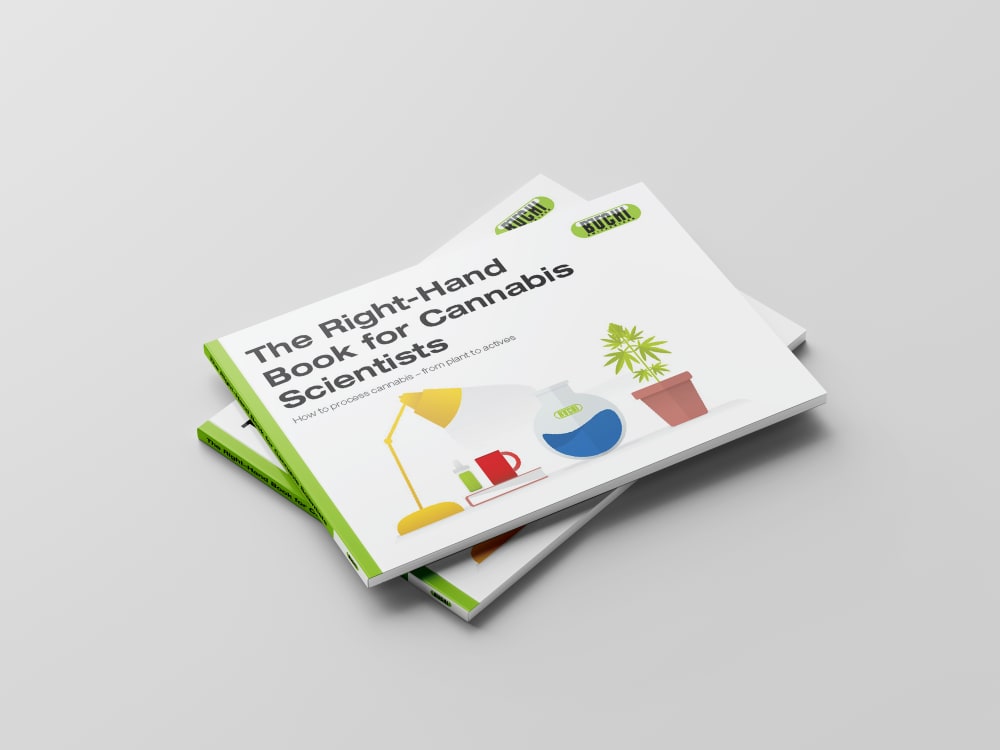
Il manuale giusto per gli scienziati della cannabis
Utilizzate questo opuscolo sulle conoscenze scientifiche in materia di cannabis per apprendere informazioni sulla raccolta e sull’estrazione di cannabinoidi (THC, CBD) e terpenoidi, per concentrare i principi attivi, riciclare i solventi, purificare i cannabinoidi e rimuovere i pesticidi.
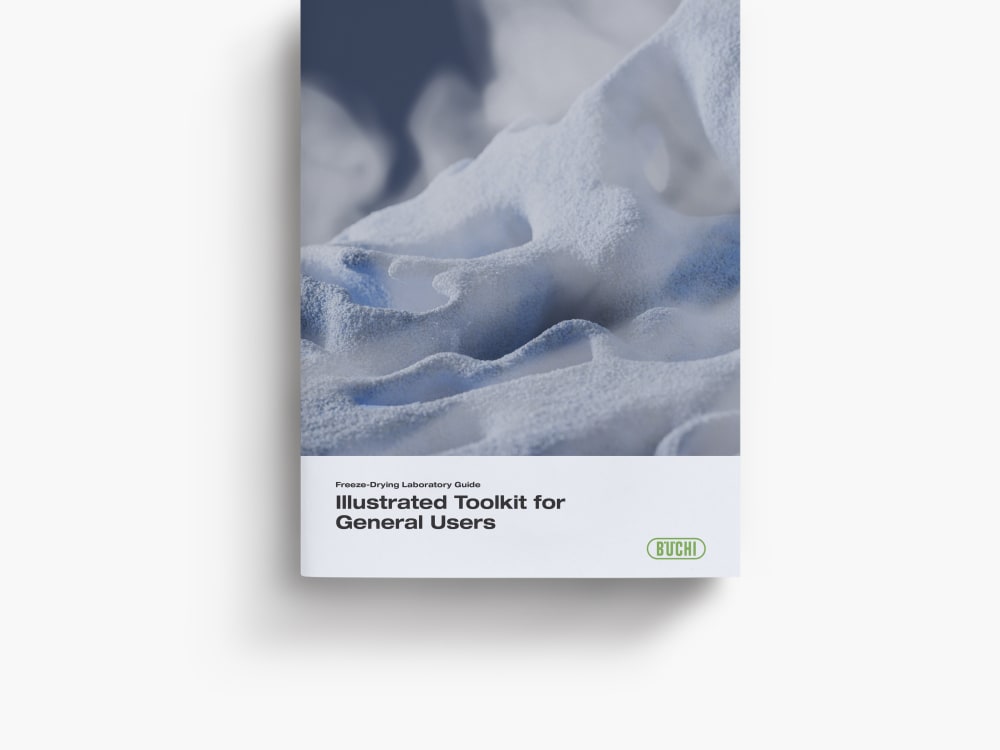
Consulente per liofilizzazione Vol. 2: Toolkit illustrato per utenti generici
Questa guida fornisce informazioni su hardware, processo di liofilizzazione, una panoramica dei parametri più importanti e delle fasi della preparazione del campione.
Rivista Cosmetics Lab Vol. 1
Nel numero 1 di «COSMETICS LAB», leggerete le ultime tendenze che riguardano sviluppo dei cosmetici, flussi di lavoro per ricerca e sviluppo e per il controllo qualità dei cosmetici, ingredienti utilizzati nello sviluppo di cosmetici naturali e tecniche di laboratorio comuni utilizzate per l’innovazione nel campo dei cosmetici.

Rivista Cosmetics Lab Vol. 2
Nel numero 2 di «COSMETICS LAB», otterrete informazioni utili sul modo in cui trasformare la materia prima naturale in composti attivi. Approfittate delle informazioni utili sulle tecniche utilizzate in tutte le fasi dello sviluppo dei cosmetici. Imparate come estrarre e controllare gli ingredienti attivi e come utilizzare la cromatografia per purificare la materia prima. Inoltre leggerete curiosità, oroscopi, quiz e un’intervista esclusiva sul tema della lotta alla disinformazione nell’industria cosmetica.

Rivista Cosmetics Lab Vol. 3
Nel numero 3 di «COSMETICS LAB», troverete tutto ciò che c’è da sapere sulla realizzazione del make-up. Migliorate la vostra competenza nella formulazione acquisendo informazioni approfondite su micro-incapsulazione e spray drying. Inoltre, leggete consigli su formulazione di cosmetici, ricette, quiz, oroscopi e un’intervista esclusiva a un esperto di micro-incapsulamento.

Rivista Cosmetics Lab Vol. 4
Nel numero 4 di «COSMETICS LAB», acquisirete conoscenze sulle tecniche moderne e consolidate utilizzate per il controllo della qualità nell’industria cosmetica. Imparerete come dimostrare in modo convincente la sicurezza e le prestazioni del prodotto ottimizzando i processi di controllo della qualità. Gli argomenti specifici includono la preparazione del campione verde utilizzando l’estrazione con liquido pressurizzato (PLE), i vantaggi e i limiti dei rivelatori cromatografici utilizzati nel controllo della qualità, l’importanza di eseguire l’analisi degli elementi metallici in tracce, il modo in cui il metodo NIR accelera il processo di controllo della qualità e altro ancora.

Chromapedia: la guida completa
La Chromapedia completa offre le conoscenze essenziali per lo sviluppo e l’esecuzione della cromatografia flash ottimale e del metodo HPLC di preparazione. Affidatevi a teorie concise e spiegazioni chiare di tutte le parti del processo cromatografico. Utilizzate le nozioni di base della cromatografia per sviluppare il vostro metodo con i materiali di consumo, i metodi di rilevamento, le fasi fisse e mobili che si adattano idealmente alla vostra applicazione.
È tempo di separazioni! – Poster
Scarica ora il tuo poster gratuito – "È tempo di separazioni!"Scopri alcuni suggerimenti per potenziare il tuo sistema cromatografico!
Note applicative di successo
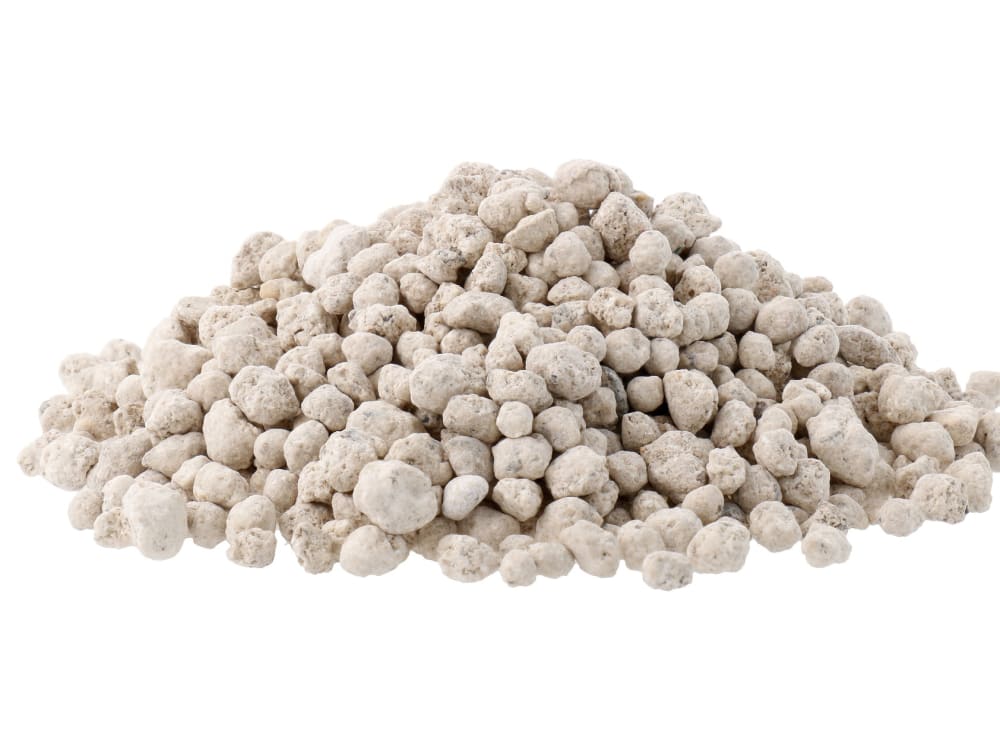
Nitrogen Determination in Nitrate Containing Fertilizers
Nitrogen Determination in Nitrate Containing Fertilizers according to AOAC 955.04-D (Kjeldahl Method) – Block Digestion
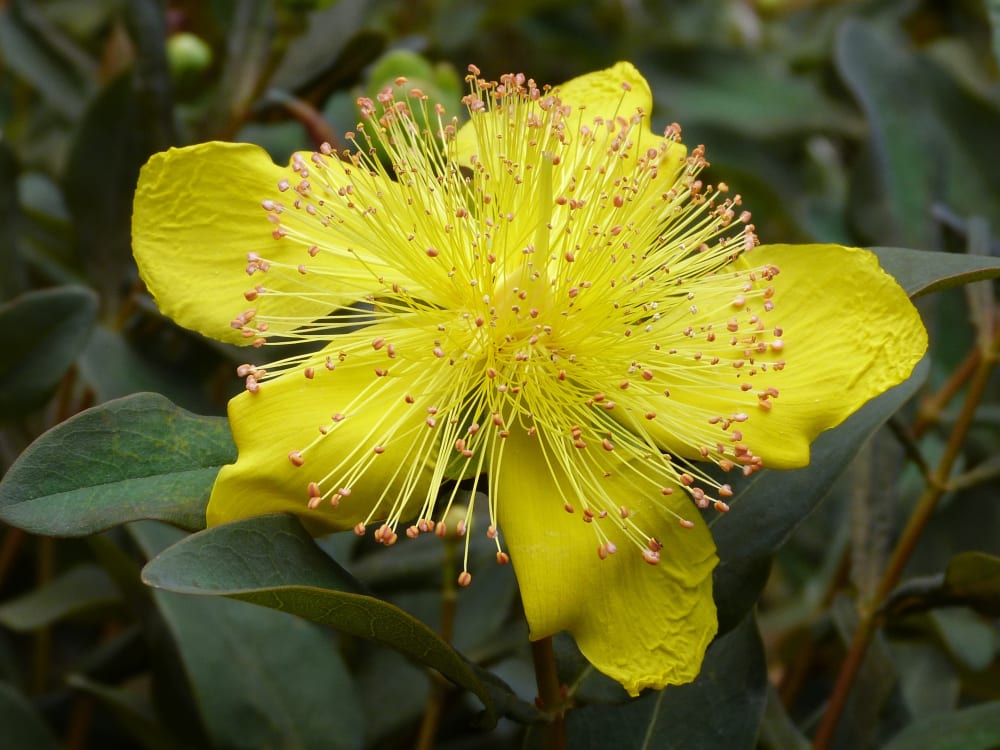
Pre-Extraction and Extraction of Hypericin in St. John's Wort (Hypericum perforatum) using the SpeedExtractor E-916
SpeedExtractor E-916: Pre-Extraction and Extraction of Hypericin in St. John's Wort (Hypericum perforatum) using the SpeedExtractor E-916
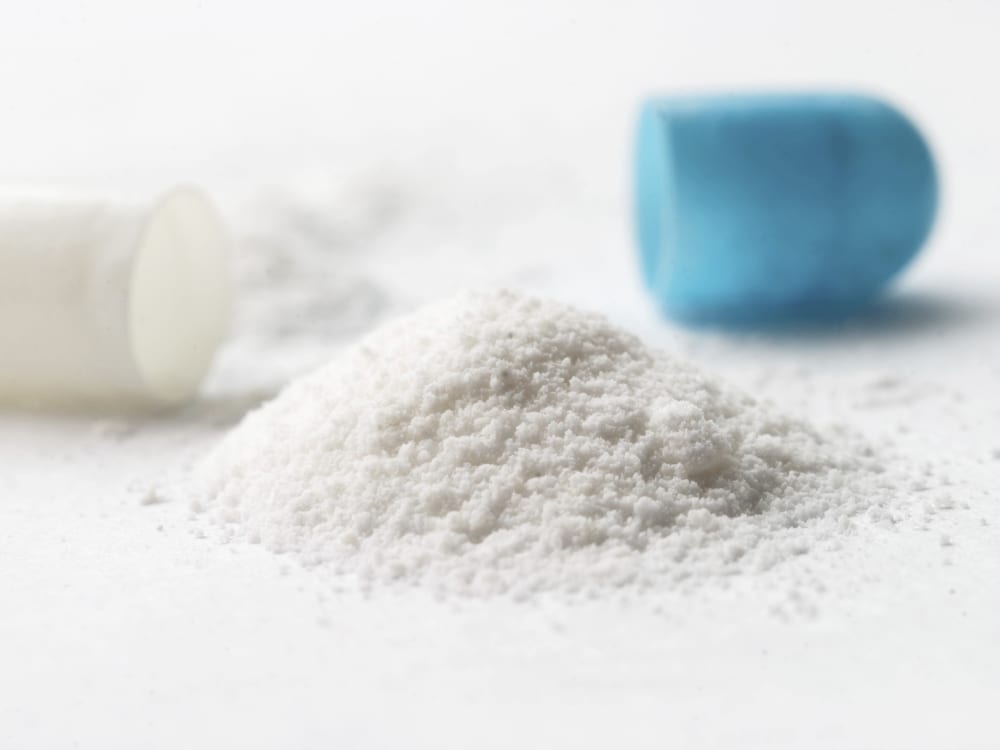
PLGA sub-micron particles by Nano Spray Drying
Nano-spray drying for drug delivery of smallest particles
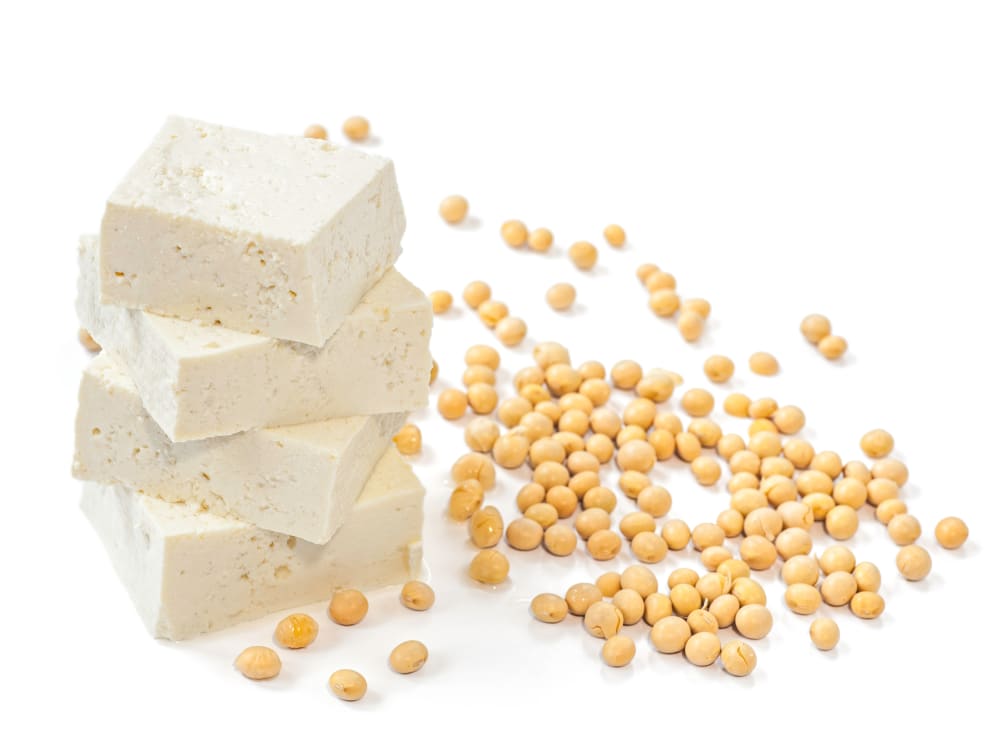
Nitrogen and protein determination in tofu
Nitrogen and protein determination in tofu according to the Kjeldal method (back titration)