Aplikasi


Panduan Populer
Buku Panduan Lengkap Juara Analisis Makanan
Buku panduan ini memberikan ringkasan yang komprehensif mengenai bagaimana NIR dan metode rujukan, seperti ekstraksi lemak dan metode Kjeldahl untuk penetapan protein, digunakan di seluruh langkah dalam rantai pemrosesan makanan. Dapatkan ikhtisar teknik terperinci, termasuk preparasi sampel, upaya regulasi, pemecahan masalah, Tanya Jawab Umum, dan studi spesifik kasus.
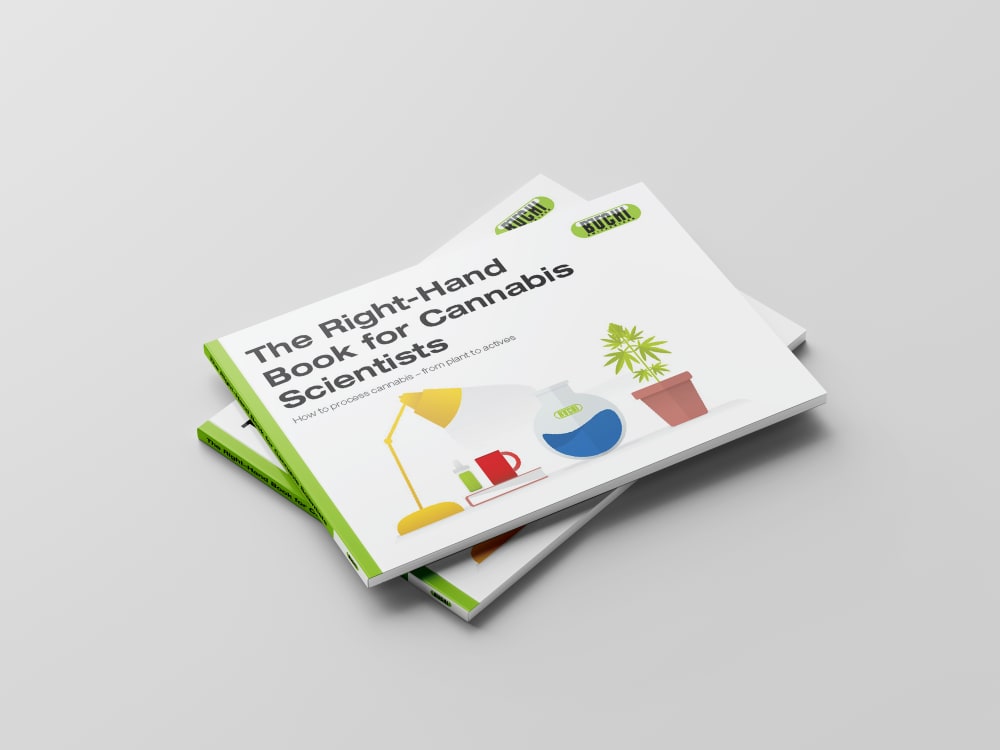
Buku Pegangan yang Tepat untuk Peneliti Kanabis
Gunakan buklet mengenai ilmu kanabis ini untuk mempelajari tentang cara memanen dan mengekstraksi kanabinoid (THC, CBD) dan terpenoid, memekatkan zat aktif, mendaur ulang pelarut, memurnikan kanabinoid, dan menghilangkan pestisida.
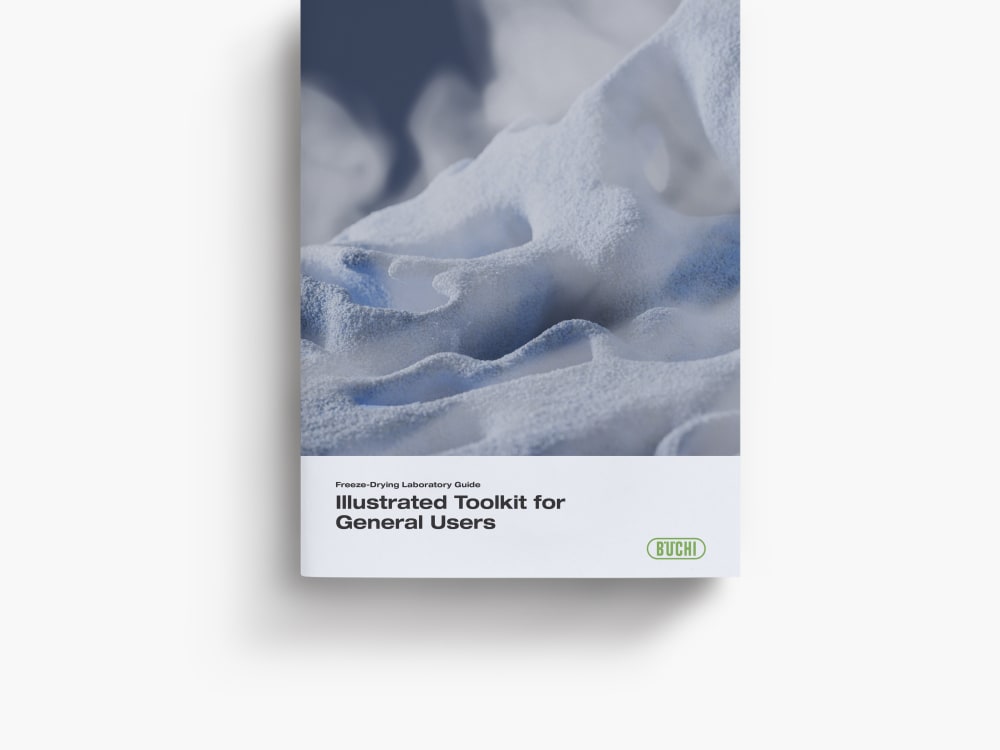
Pembimbing Pengeringan Beku Vol. 2: Toolkit bergambar untuk pengguna umum
Panduan ini memberi Anda pengetahuan tentang perangkat keras, proses pengeringan beku, ikhtisar parameter yang paling penting dan langkah-langkah dalam preparasi sampel.
Majalah Cosmetics Lab Vol. 1
Dalam “COSMETICS LAB” Terbitan I, baca tentang tren terbaru dalam pengembangan kosmetik, alur kerja untuk penelitian dan pengembangan serta pengendalian mutu kosmetik, bahan yang digunakan dalam pengembangan kosmetik alami dan teknik laboratorium umum yang digunakan untuk inovasi kosmetik.

Majalah Cosmetics Lab Vol. 2
Dalam “COSMETICS LAB” Terbitan 2, dapatkan informasi berguna mengenai cara mengubah bahan mentah alami menjadi senyawa aktif. Dapatkan manfaat dari informasi berguna mengenai teknik yang digunakan dalam semua langkah pengembangan kosmetik. Pelajari cara mengekstrak dan menapis senyawa aktif dan cara menggunakan kromatografi untuk memurnikan bahan mentah. Ditambah lagi dengan fakta menarik, horoskop, kuis, dan wawancara eksklusif mengenai topik untuk meluruskan informasi yang salah dalam industri kosmetik.

Majalah Cosmetics Lab Vol. 3
Dalam “COSMETICS LAB” Terbitan 3, temukan semua hal yang perlu Anda ketahui tentang pembuatan kosmetik. Tingkatkan profisiensi formulasi Anda dengan mendapatkan informasi berguna mengenai mikroenkapsulasi dan pengeringan semprot. Baca juga tips formulasi kosmetik, resep, kuis, horoskop, dan wawancara eksklusif dengan ahli mikroenkapsulasi.

Majalah Cosmetics Lab Vol. 4
Dalam “COSMETICS LAB” Terbitan 4, dapatkan pengetahuan mengenai teknik modern dan teknik baku yang digunakan untuk pengendalian mutu dalam industri kosmetik. Pelajari cara melakukan demonstrasi yang meyakinkan tentang keamanan dan kinerja produk dengan cara mengoptimalkan proses QC Anda. Topik spesifik menyertakan preparasi sampel ramah lingkungan menggunakan ekstraksi cair bertekanan (PLE), manfaat dan pembatasan detektor kromatografi yang digunakan dalam QC, pentingnya melakukan analisis elemen logam berkadar kecil, bagaimana NIR mempercepat proses QC, dan hal lainnya.

Chromapedia: panduan lengkap
Chromapedia lengkap memberi Anda pengetahuan penting untuk mengembangkan dan melakukan metode kromatografi flash dan HPLC preparasi yang optimal. Andalkan teori yang tepat dan penjelasan yang jelas dari semua bagian proses kromatografi. Gunakan dasar-dasar kromatografi untuk mengembangkan metode Anda sendiri dengan bahan habis pakai, metode pendeteksian, fase diam dan fase gerak yang ideal untuk penerapan Anda.
Saatnya memisahkan! – Poster
Unduh poster secara gratis sekarang – "Saatnya memisahkan!"
Temukan beberapa petunjuk untuk meningkatkan sistem kromatografi Anda!
Application Note Populer
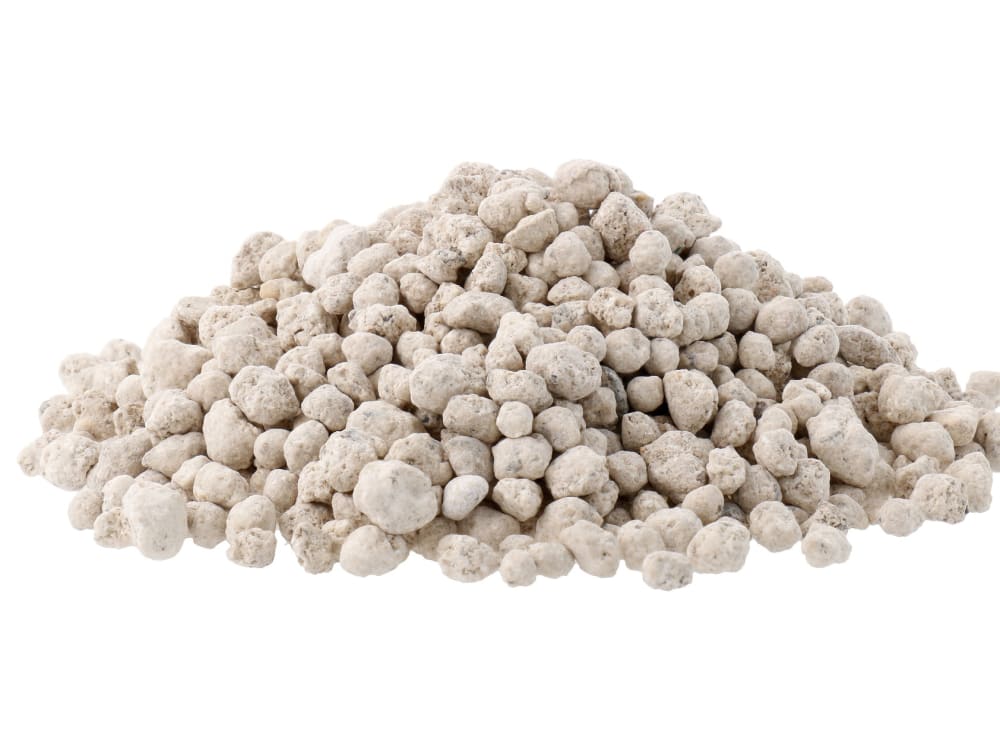
Nitrogen Determination in Nitrate Containing Fertilizers
Nitrogen Determination in Nitrate Containing Fertilizers according to AOAC 955.04-D (Kjeldahl Method) – Block Digestion
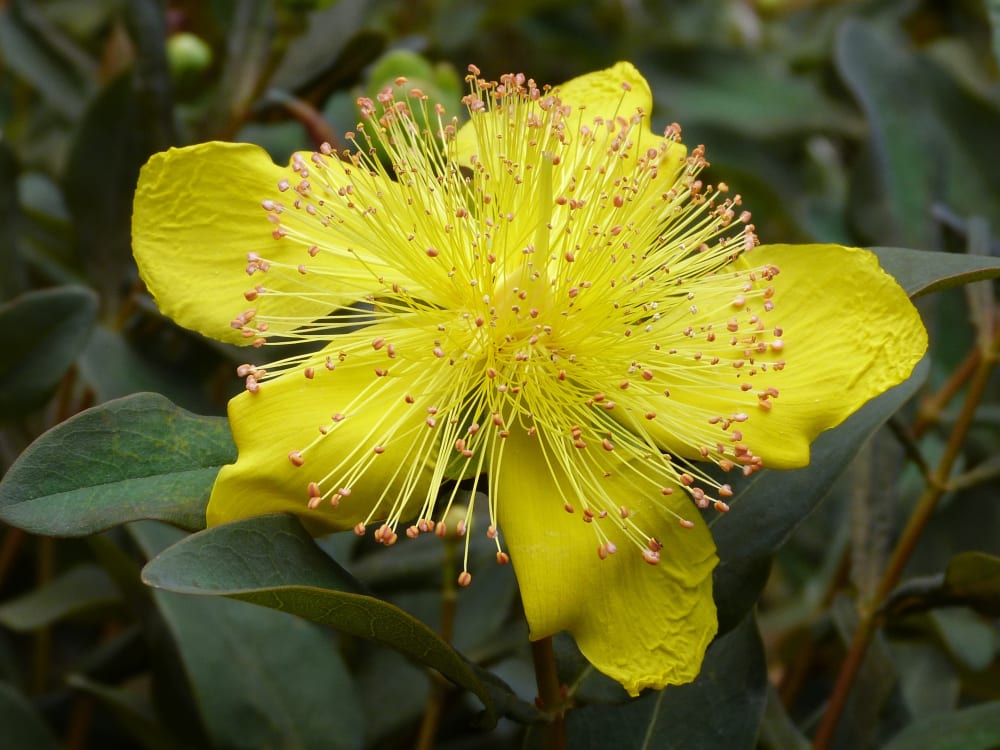
Pre-Extraction and Extraction of Hypericin in St. John's Wort (Hypericum perforatum) using the SpeedExtractor E-916
SpeedExtractor E-916: Pre-Extraction and Extraction of Hypericin in St. John's Wort (Hypericum perforatum) using the SpeedExtractor E-916
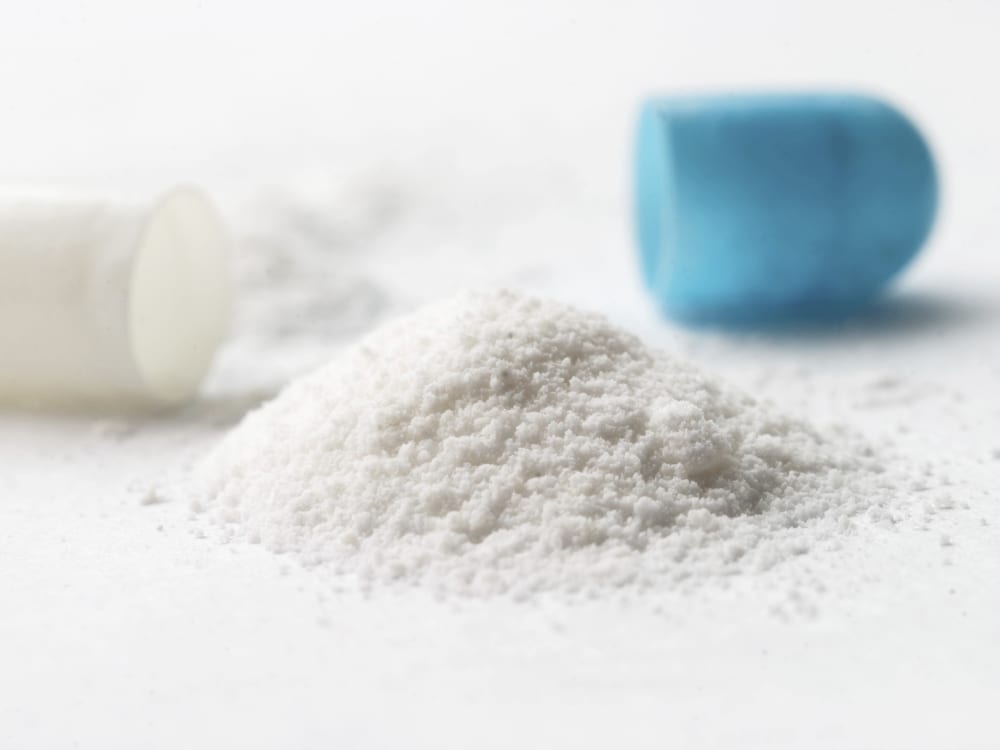
PLGA sub-micron particles by Nano Spray Drying
Nano-spray drying for drug delivery of smallest particles
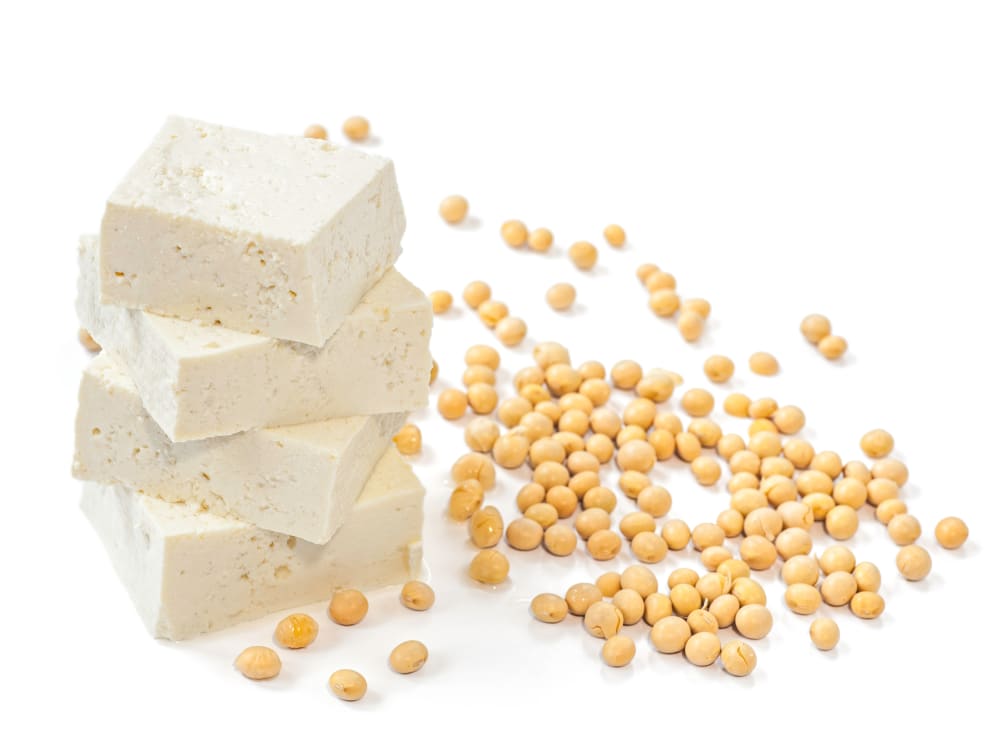
Nitrogen and protein determination in tofu
Nitrogen and protein determination in tofu according to the Kjeldal method (back titration)