Aplicações


Guias em Alta
Manual do líder de análise de alimentos completo
Este guia oferece um resumo abrangente de como os métodos de referência e NIR, como extração de gordura e o método Kjeldahl para determinação de proteína são úteis em todas as etapas na cadeia de processamento de alimentos. Obtenha uma visão geral detalhada das técnicas, incluindo preparação de amostras, medidas regulatórias, solução de problemas, perguntas frequentes e estudos de caso específicos.

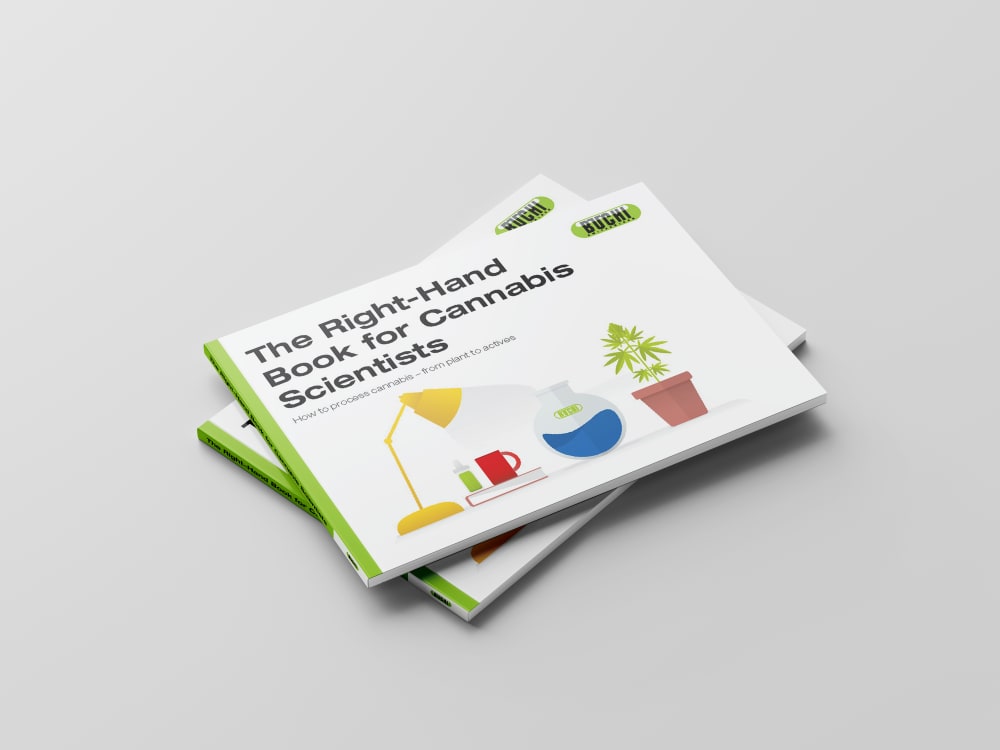
O manual de confiança para cientistas de cannabis
Use este livreto sobre a ciência da cannabis para aprender a coletar e extrair canabinoides (THC, CBD) e terpenoides, concentrar ativos, reciclar solvente, purificar canabinoides e remover pesticidas.
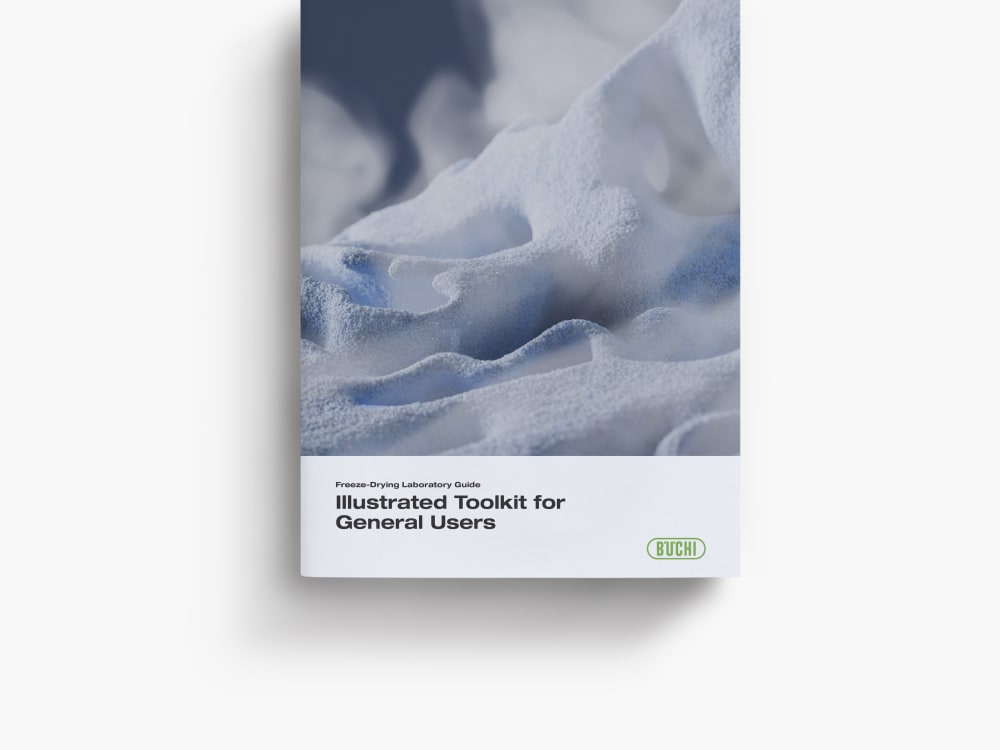
Orientação de liofilização Vol. 2: Kit de ferramentas ilustrado para usuários gerais
Este guia apresenta conhecimento sobre os equipamentos, o processo de liofilização, uma visão geral dos parâmetros mais importantes e etapas na preparação da amostra.
Revista Cosmetics Lab Vol. 1
Na “COSMETICS LAB” edição 1, leia sobre as mais novas tendências em desenvolvimento de cosméticos, fluxos de trabalho para P&D e controle de qualidade de cosméticos, ingredientes usados no desenvolvimento de cosméticos naturais e técnicas comuns de laboratório usadas para inovação em cosméticos.

Revista Cosmetics Lab Vol. 2
Na “COSMETICS LAB” edição 2, obtenha informações úteis sobre como transformar matéria-prima natural em compostos ativos. Aproveite as informações úteis sobre as técnicas usadas em todas as etapas do desenvolvimento de cosméticos. Saiba como extrair e filtrar os ingredientes ativos e como usar a cromatografia para purificar a matéria-prima. Além de fatos curiosos, horóscopos, testes e uma entrevista exclusiva sobre o combate à desinformação no setor de cosméticos.

Revista Cosmetics Lab Vol. 3
Na “COSMETICS LAB” Edição 3, encontre tudo o que você precisa saber sobre a produção de maquiagem. Melhore sua proficiência de formulação obtendo informações úteis sobre microencapsulamento e secagem por aspersão. Além disso, leia dicas de formulação de cosméticos, receitas, testes, horóscopos e uma entrevista exclusiva com um especialista em microencapsulamento.

Revista Cosmetics Lab Vol. 4
Na “COSMETICS LAB” Edição 4, conheça as técnicas modernas e estabelecidas usadas para o controle de qualidade no setor de cosméticos. Aprenda a demonstrar de modo convincente a segurança e o desempenho do produto otimizando seus processos de controle de qualidade. Tópicos específicos incluem a preparação da amostra ecológica usando extração de líquido pressurizado (PLE), benefícios e limitações de detectores de cromatografia usados no controle de qualidade, a importância de realizar análise de elemento metálico residual, como o NIR acelera o processo de controle de qualidade e muito mais.

Cromapédia: o guia completo
A Cromapédia completa apresenta o conhecimento básico para desenvolver e realizar a cromatografia flash ideal e o método de cromatografia líquida de alta eficiência de preparação. Conte com uma teoria concisa e explicações claras de todas as partes do processo de cromatografia. Use os fundamentos de cromatografia para desenvolver seu próprio método com consumíveis, métodos de detecção, fases estacionárias e móveis que são ideais para a sua aplicação.
Está na hora de separar seus compostos! – Pôster
Baixe seu pôster grátis agora – "Está na hora de separar seus compostos!"Confira dicas de como impulsionar seu sistema de cromatografia!
Notas de Aplicação em Alta
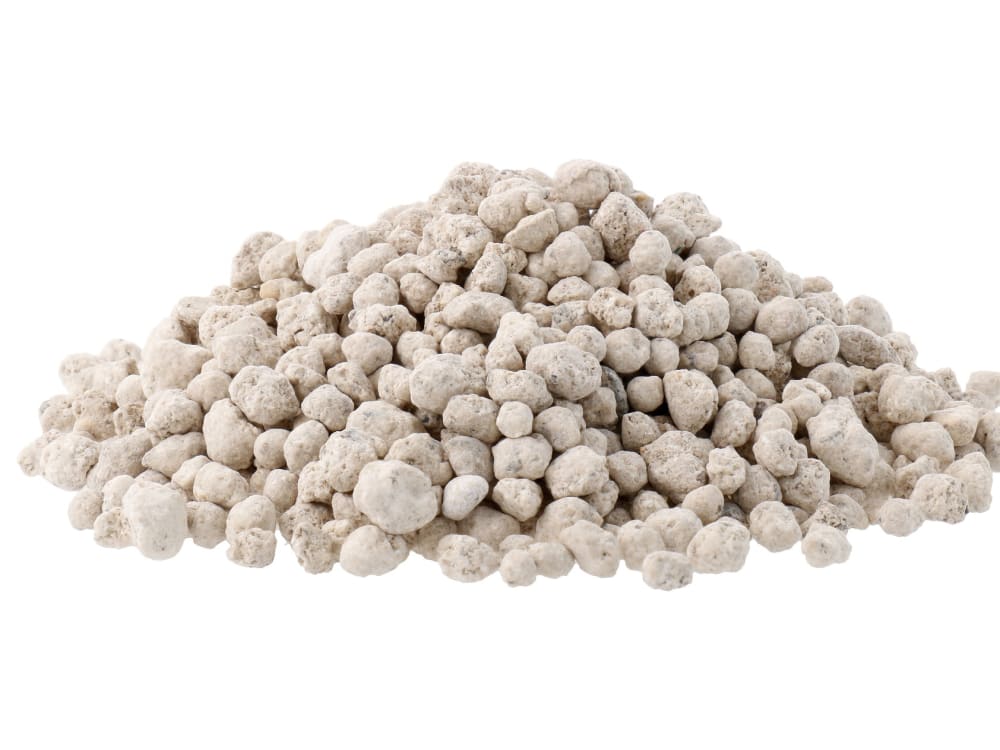
Nitrogen Determination in Nitrate Containing Fertilizers
Nitrogen Determination in Nitrate Containing Fertilizers according to AOAC 955.04-D (Kjeldahl Method) – Block Digestion
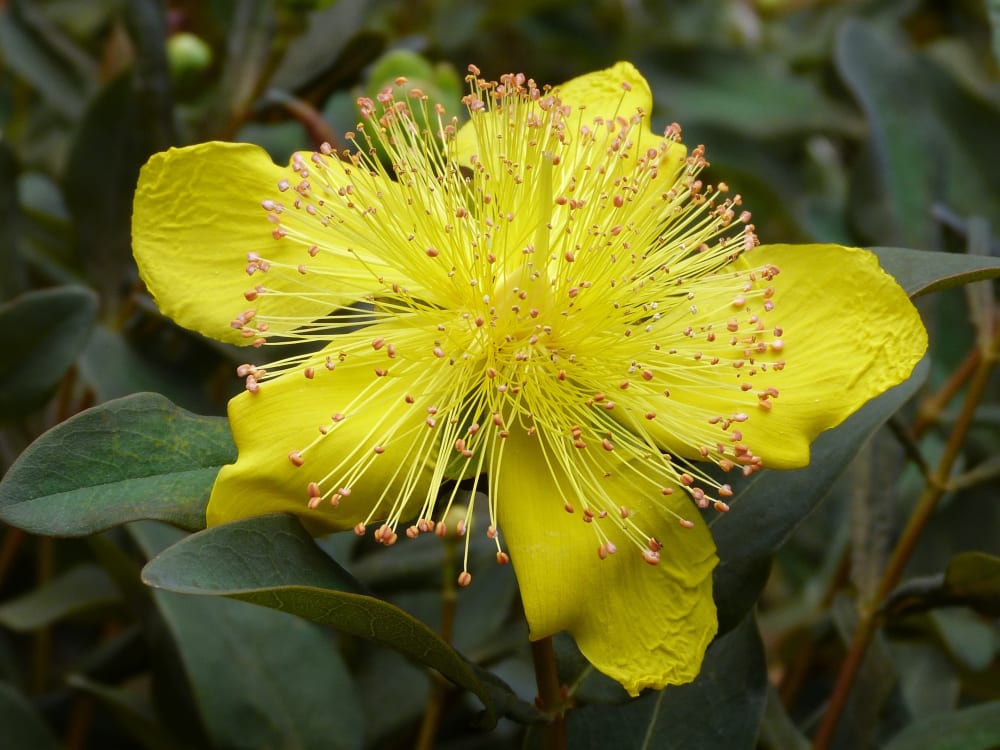
Pre-Extraction and Extraction of Hypericin in St. John's Wort (Hypericum perforatum) using the SpeedExtractor E-916
SpeedExtractor E-916: Pre-Extraction and Extraction of Hypericin in St. John's Wort (Hypericum perforatum) using the SpeedExtractor E-916
PLGA sub-micron particles by Nano Spray Drying
Nano-spray drying for drug delivery of smallest particles
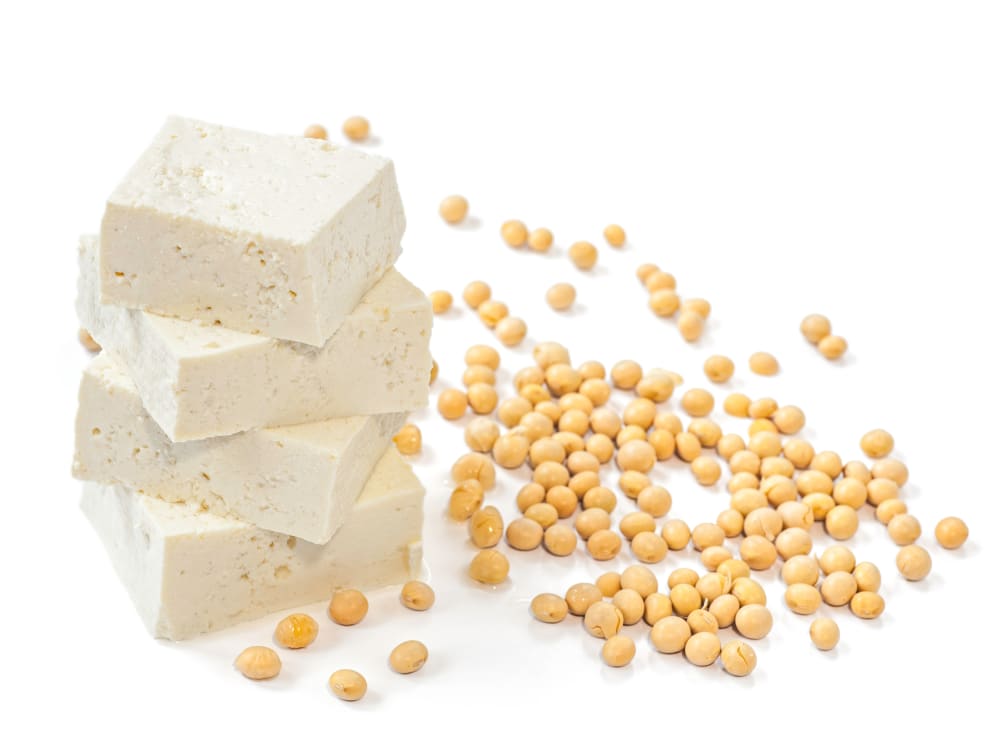
Nitrogen and protein determination in tofu
Nitrogen and protein determination in tofu according to the Kjeldal method (back titration)