Applikationen


Beliebte Guides
Komplettes Profi-Handbuch der Lebensmittelanalyse
Dieser Leitfaden bietet eine umfassende Zusammenfassung, wie NIR- und Referenzmethoden (z. B. Fettextraktion und die Kjeldahl-Methode zur Proteinbestimmung) auf allen Stufen der Lebensmittelverarbeitungskette eingesetzt werden. Sie erhalten einen detaillierten Überblick über die Techniken einschliesslich Probenvorbereitung, regulatorische Massnahmen, Fehlerbehebung, FAQs und fallspezifische Studien.
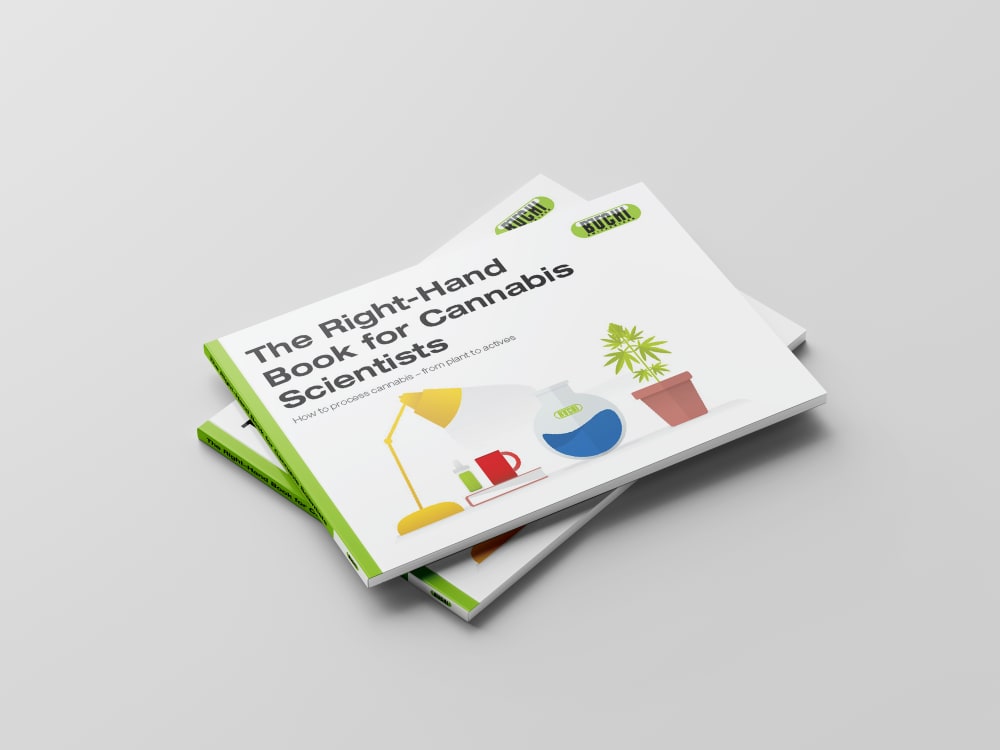
Handbuch der Cannabisforschung
Erfahren Sie in dieser Broschüre zur Cannabis-Forschung mehr über die Ernte und Extraktion von Cannabinoiden (THC, CBD) und Terpenoiden, die Konzentrierung von Wirkstoffen, das Recycling von Lösungsmitteln, die Aufreinigung von Cannabinoiden und die Entfernung von Pestiziden.
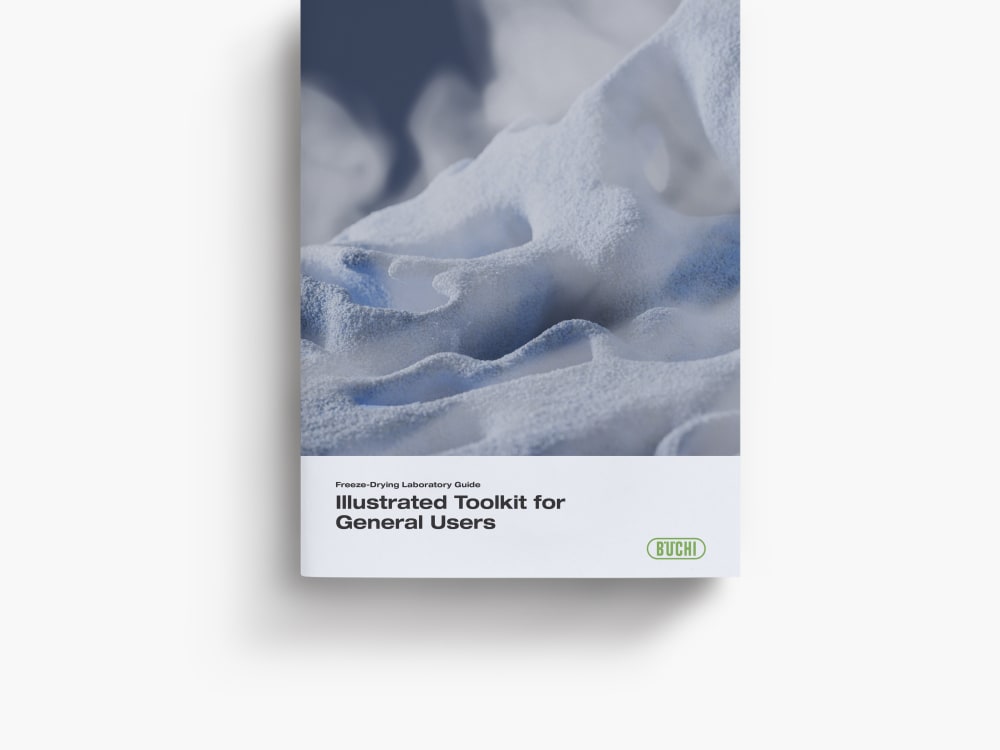
Ratgeber der Gefriertrocknung, Teil 2: Illustriertes Toolkit für allgemeine Anwendungen
Die Anleitung vermittelt Ihnen Kenntnisse über die Hardware, das Verfahren der Gefriertrocknung und eine Zusammenfassung der wichtigsten Parameter und Schritte der Probenvorbereitung.
Cosmetics Lab, Teil 1
Erfahren Sie in der 1. Ausgabe von «COSMETICS LAB» mehr über die neuesten Trends der Kosmetikentwicklung, Arbeitsabläufe in den Bereichen F&E und Qualitätskontrolle der Kosmetik, Inhaltsstoffe in der Naturkosmetikentwicklung und gängige Labortechniken, die für Kosmetikinnovationen eingesetzt werden.

Cosmetics Lab, Teil 2
Erfahren Sie in der 2. Ausgabe von «COSMETICS LAB», wie aus natürlichen Rohstoffen Wirkstoffe entstehen. Profitieren Sie von nützlichen Informationen über Techniken, die in der Kosmetikentwicklung eingesetzt werden. Lernen Sie, wie man Wirkstoffe identifiziert und extrahiert, und wie die Chromatographie zur Reinigung von Rohstoffen genutzt wird. Darüber hinaus bieten wir Ihnen unterhaltsame Fakten, Horoskope, Quizfragen und ein exklusives Interview zur Bekämpfung von Fehlinformationen in der Kosmetikindustrie.

Cosmetics Lab, Teil 3
In der 3. Ausgabe von «COSMETICS LAB» finden Sie alles über die Herstellung von Make-up. Verbessern Sie Ihre Kenntnisse über Formulierung durch aufschlussreiche Informationen über Mikroverkapselung und Sprühtrocknung. Erhalten Sie ausserdem Tipps zur Formulierung von Kosmetika, sowie Rezepte, Quizfragen, Horoskope und lesen Sie ein exklusives Interview mit einem Experten für Mikroverkapselung.

Cosmetics Lab, Teil 4
In der 4. Ausgabe von «COSMETICS LAB» erfahren Sie Wissenswertes über moderne und etablierte Techniken zur Qualitätskontrolle in der Kosmetikindustrie. Lernen Sie, wie Sie durch die Optimierung der Qualitätskontrollprozesse die Sicherheit und Leistungsfähigkeit Ihrer Produkte überzeugend belegen können. Zu den spezifischen Themen gehören die umweltfreundliche Probenvorbereitung unter Verwendung der Flüssigextraktion unter Druck (PLE), Vorteile und Grenzen von Chromatographie-Detektoren in der Qualitätskontrolle, Bedeutung von Spurenelementanalysen, Beschleunigung von QK-Prozessen durch Nah-Infrarot-Spektroskopie (NIR) und mehr.
Chromapedia: Der komplette Leitfaden
Die vollständige Chromapedia vermittelt Ihnen das notwendige Wissen für die Entwicklung und Durchführung der optimalen Flash-Chromatographie und der präparativen Hochdruck-Flüssigkeitschromatographie (HPLC). Stützen Sie sich auf prägnante Theorie und klare Erklärungen zu allen Teilen des Chromatographieverfahrens. Nutzen Sie die Grundlagen der Chromatographie, um Ihr eigenes Verfahren mit Verbrauchsmaterialien, Detektionsmethoden, stationären und mobilen Phasen zu entwickeln, das ideal auf Ihre Applikation abgestimmt ist.
Es ist Zeit zum Trennen! – Poster
Jetzt kostenfreies Poster downloaden – "Es ist Zeit zum Trennen!"Sehen Sie sich einige Tipps an, um Ihr Chromatographiesystem zu verbessern!
Beliebte Application Notes
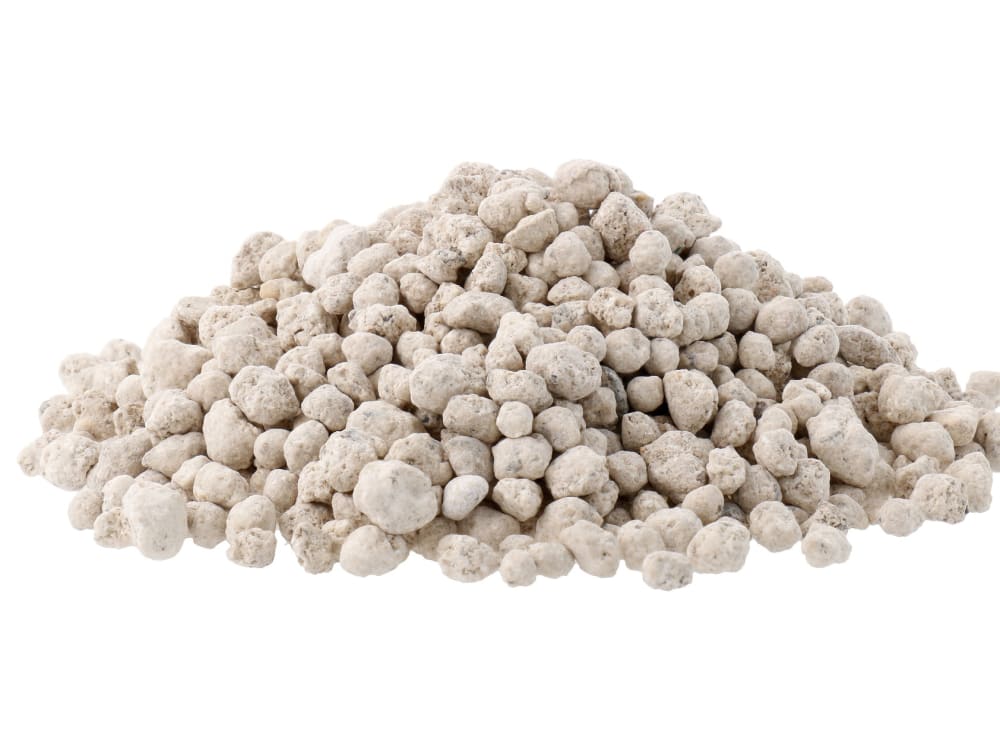
Nitrogen Determination in Nitrate Containing Fertilizers
Nitrogen Determination in Nitrate Containing Fertilizers according to AOAC 955.04-D (Kjeldahl Method) – Block Digestion
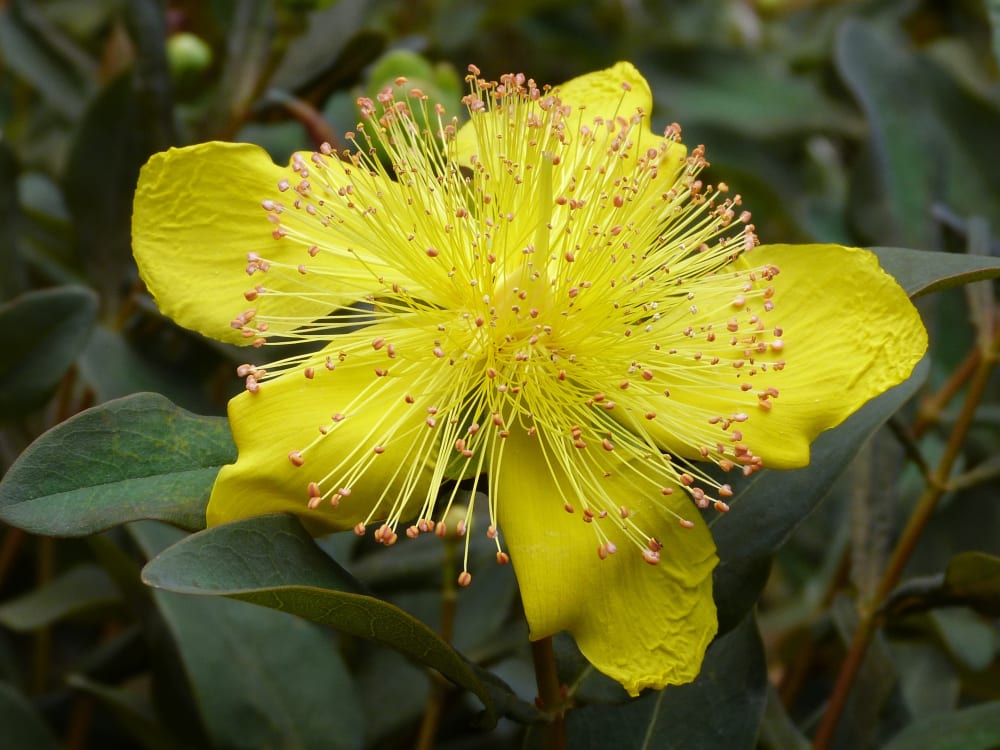
Pre-Extraction and Extraction of Hypericin in St. John's Wort (Hypericum perforatum) using the SpeedExtractor E-916
SpeedExtractor E-916: Pre-Extraction and Extraction of Hypericin in St. John's Wort (Hypericum perforatum) using the SpeedExtractor E-916
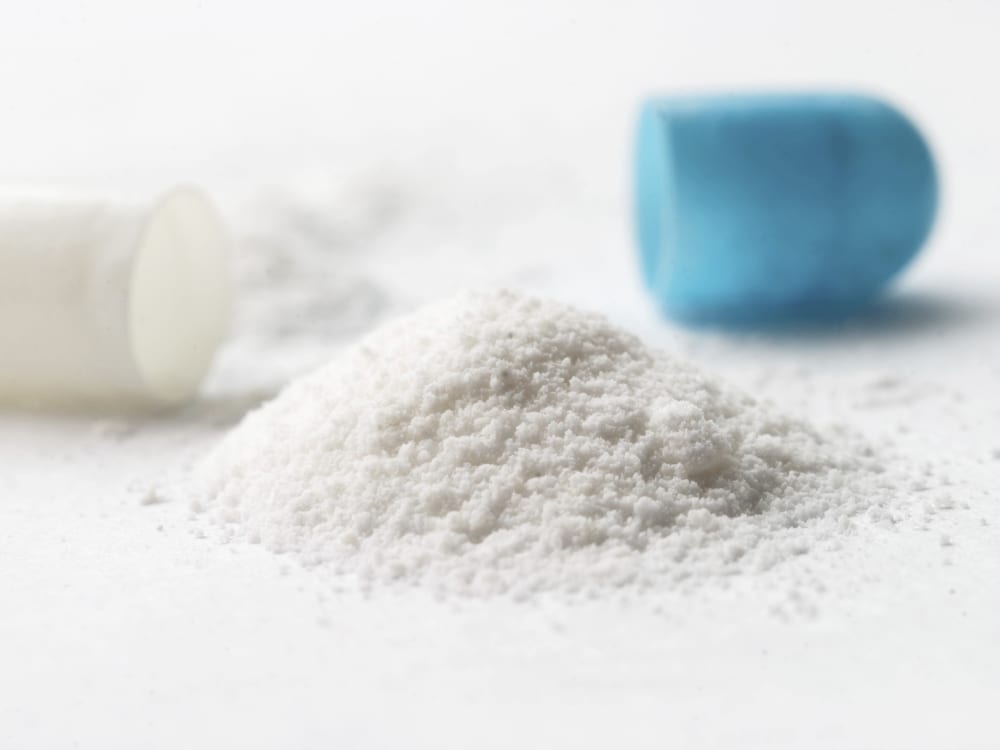
PLGA sub-micron particles by Nano Spray Drying
Nano-spray drying for drug delivery of smallest particles
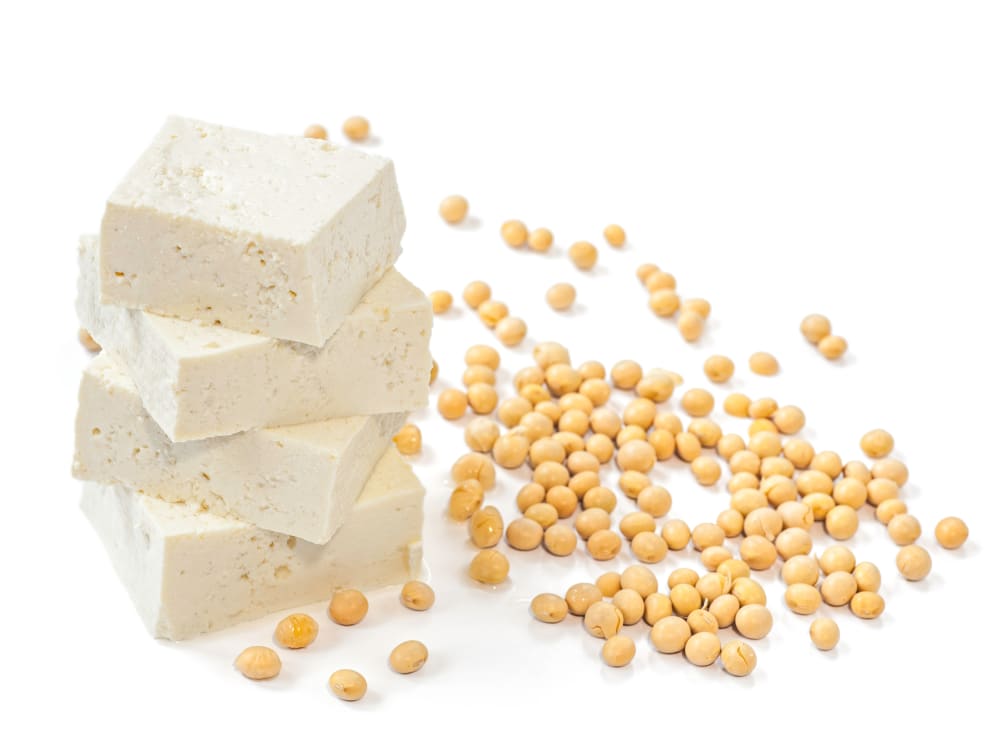
Nitrogen and protein determination in tofu
Nitrogen and protein determination in tofu according to the Kjeldal method (back titration)