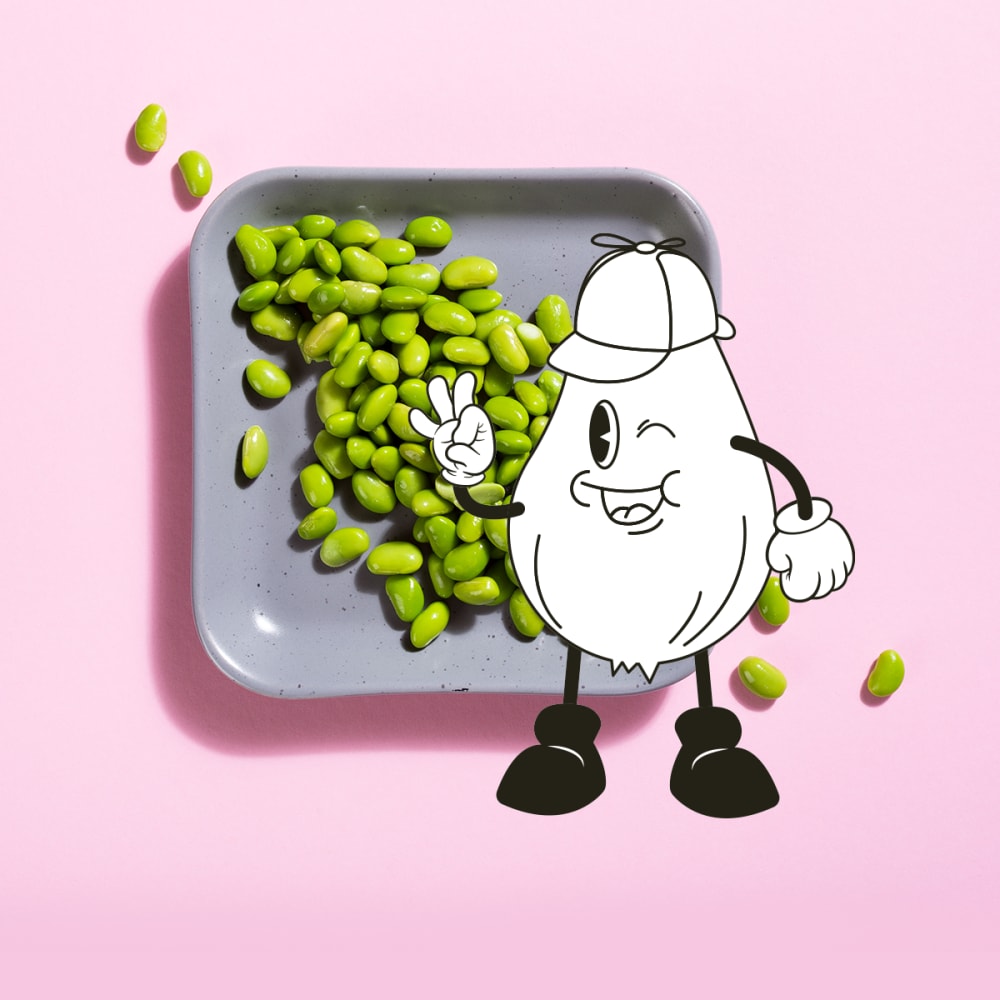
Shallot Holmes and the food detectives
Welcome to the "Shallot Holmes and the Food Detectives" blog
Shallot Holmes developed a name for himself already in his pre-teen years thanks to his sharp mind and investigative nature. He was the shallot that could most frequently discover who had just cut up another member of the onion community by carefully performing tears trace analysis on sleeping chefs. Shallot Holmes was inspired to officially pursue a career as a food detective when overhearing his parents discussing a notorious case of food fraud, mainly the addition of horse meat to lasagna that was supposed to contain ground beef only. Shallot Holmes is well educated in all methods used in food analytics.

Shallot Holmes post overview
The detectives get tipsy on tips on how to calibrate an NIR model
The detectives join the second-part of Inspector Cornlumbo’s workshop on how to calibrate an NIR model. On the second day, the detective offers useful insights into software use for calibrations, including tips for spectral pre-treatments and how to calibrate and validate NIR models.
The detectives learn how to develop an NIR calibration model
After a heavily hands-on case of quickly and compliantly determining oil content in soybean samples, Shallot Holmes insists on having a workshop, rather than taking on a next case.
The detectives speed up their method for oil determination in oilseeds
The five detectives spent a long day trying to compliantly determine oil in oilseeds in a very hands-on client case. But Shallot Holmes was left displeased that although they performed their experiments compliantly, they had failed their customer’s requirement for speed.
The detectives contend with determining oil content in oilseeds
The private investigators get a new challenge from a client looking to quickly and compliantly determine oil in oilseeds. The detectives put their heads together and decide to demonstrate how to use economic continuous extraction for oil determination in soybean samples.